

Manufacturing and industrial plants are built around one simple goal: keep production moving. Schedules are tight, margins are thinner than ever, and downtime is rarely an option. While industrial hot water boilers may not sit on the production line itself, they quietly support the systems that make consistent, safe manufacturing possible.
From process support to plant-wide comfort, hot water boilers are part of the foundation that keeps industrial operations running day after day. When something goes wrong, the impact is felt immediately—on output, labor, and customer commitments.
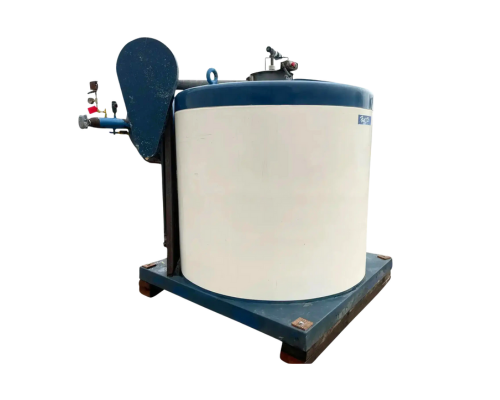
Image from Genemco
Link to Hot Water Boilers
Let’s take a closer look at how manufacturing and industrial plants use industrial hot water boilers and how Genemco helps keep operations steady when plans don’t go as expected.
Process Support & Temperature Control
Many manufacturing processes require controlled heat without the intensity of steam.
Industrial hot water boilers are commonly used for:
-
Process temperature control
-
Preheating materials or components
-
Jacketed tanks and vessels
-
Indirect heating applications
Hot water provides consistent, even heat that helps protect materials, reduce waste, and maintain product quality—especially in operations where temperature swings can create defects or rework.
Equipment Cleaning & Washdown
Clean equipment is essential for efficiency, safety, and quality control.
Hot water boilers support:
-
Equipment washdown
-
Parts cleaning systems
-
Removal of oils, greases, and residues
Using hot water improves cleaning effectiveness and shortens maintenance cycles, helping plants return equipment to service faster.
Space Heating for Large Facilities
Manufacturing plants often operate in large, open spaces that are difficult to heat.
Industrial hot water boilers provide:
-
Space heating for production floors
-
Warmth for warehouses and staging areas
-
Heating for offices, control rooms, and maintenance shops
Maintaining a comfortable work environment helps protect equipment, support employee safety, and maintain productivity—especially during colder months.
Supporting Maintenance & Turnarounds
During scheduled maintenance or unexpected repairs, hot water boilers play a key support role.
They are used for:
-
System flushing
-
Cleaning and preparation during shutdowns
-
Supporting temporary process needs
When maintenance timelines slip, reliable hot water availability helps prevent delays from snowballing into larger operational issues.
Why Manufacturing Plants Choose Genemco
At Genemco, we understand the realities of industrial manufacturing—tight schedules, real consequences, and no appetite for prolonged downtime.
Manufacturers choose Genemco for industrial hot water boilers because we offer:
-
A selection of quality pre-owned equipment including boiler equipment
-
Faster availability than new equipment lead times
-
Inspection and refurbishment options to meet plant demands
-
Cost-effective solutions that help control capital spending
Whether you’re responding to a sudden failure, adding temporary capacity, or bridging the gap during a plant upgrade, Genemco helps keep production on track.

Helping OEMs Deliver Complete Solutions
If you’re an OEM working on a new equipment sale, Genemco isn’t here to compete—we’re here to help you deliver.
Manufacturing customers often can’t afford to wait months for new systems to arrive. When lead times stretch longer than production schedules allow, Genemco can step in with a dependable interim boiler solution.
Think of it as operational insurance. A temporary boiler keeps lines running, protects workforce hours, and preserves customer confidence while the permanent equipment is on its way. When installation day comes, the story isn’t about delays—it’s about how you kept production moving despite them.
Built for Real-World Operations
In manufacturing and industrial plants, reliability isn’t theoretical—it’s measured in output, safety, and customer trust. Industrial hot water boilers support the systems that keep plants productive and people working.
At Genemco, we’re proud to help manufacturers stay operational, help OEMs strengthen customer relationships, and help industrial facilities navigate challenges without losing momentum.


