

In the food and beverage processing world, consistency is everything.
A yogurt plant can’t afford fluctuating temperatures during production. A beverage facility can’t risk downtime during peak demand season. A frozen food manufacturer can’t have refrigeration interruptions jeopardizing thousands of pounds of product.
Behind many of these operations is a piece of equipment most consumers never think about: the shell & tube heat exchanger.
While they may not get the attention of large compressors or automated processing lines, shell & tube heat exchangers quietly play a major role in keeping food safe, products consistent, and production schedules moving forward.
And in an industry where timing matters, reliability often outweighs flashy technology.
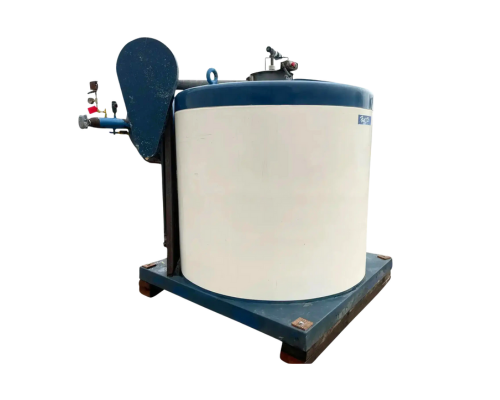
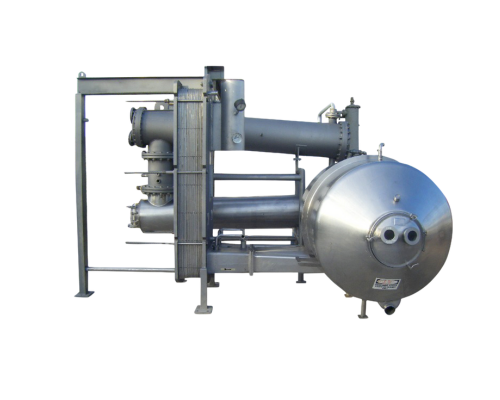
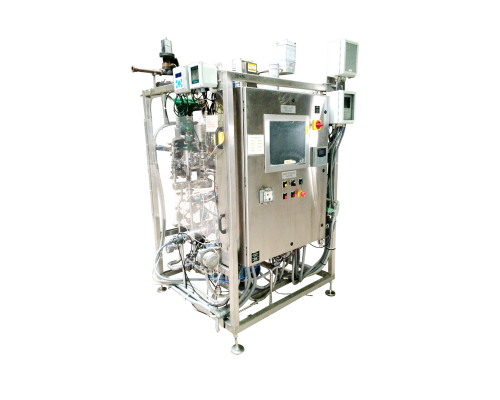
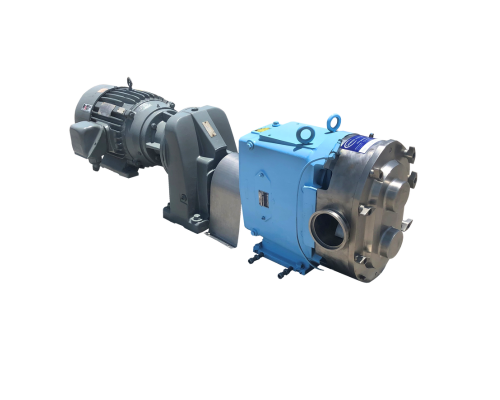
Image from Genemco
Link to Shell & Tube Heat Exchangers
What Is a Shell & Tube Heat Exchanger?
A shell & tube heat exchanger is designed to transfer heat between two fluids without allowing them to mix together.
Inside the unit, one fluid travels through a bundle of tubes while another flows around the outside of those tubes within the shell. Heat is transferred efficiently between the two mediums, allowing facilities to cool, heat, condense, or stabilize products and process fluids.
What makes shell & tube exchangers especially valuable in food and beverage processing is their ability to handle:
- Continuous operation
- Large process loads
- Industrial refrigeration applications
- Washdown environments
- High-pressure systems
- Temperature-sensitive production
They’re durable, dependable, and built for facilities that operate around the clock.
Why Food & Beverage Facilities Rely on Shell & Tube Heat Exchangers
Food processing is all about temperature control.
Too much heat can damage product quality. Too little cooling can impact food safety. Even small temperature inconsistencies can affect texture, shelf life, flavor, or compliance standards.
That’s why shell & tube heat exchangers are used throughout virtually every stage of food and beverage production.
Common Food & Beverage Applications
Dairy Processing
In dairy plants, precise temperature control is critical for:
- Milk cooling
- Cream processing
- Yogurt production
- Cheese manufacturing
- Pasteurization support systems
Shell & tube exchangers help maintain stable temperatures while supporting high-volume production demands.
Beverage Production
Breweries, distilleries, juice processors, and beverage bottlers utilize shell & tube heat exchangers for:
- Wort cooling
- Glycol chilling systems
- Refrigeration support
- Product cooling
- CIP (Clean-in-Place) systems
In beverage processing, maintaining consistency batch after batch is essential — and reliable heat transfer equipment helps make that possible.
Frozen Food Manufacturing
Frozen food facilities depend heavily on industrial refrigeration systems that incorporate shell & tube exchangers as:
- Evaporators
- Condensers
- Oil coolers
- Economizers
Whether producing frozen vegetables, ready-made meals, or ice cream products, these facilities need dependable refrigeration systems operating 24/7.
Meat & Poultry Processing
Temperature management is a major food safety concern in meat processing operations.
Shell & tube heat exchangers help support:
- Refrigeration systems
- Process cooling
- Hot water systems
- Rendering applications
- Equipment cooling
Facilities operating in demanding washdown environments often appreciate the rugged construction and serviceability of shell & tube designs.
Sauce, Oil & Ingredient Processing
Many food manufacturers process oils, syrups, sauces, and liquid ingredients that require careful heating and cooling throughout production.
Shell & tube exchangers are commonly used for:
- Thermal regulation
- Batch cooling
- Ingredient heating
- Oil temperature management
Their ability to operate continuously under demanding production schedules makes them ideal for these applications.
Why Shell & Tube Heat Exchangers Continue to Be Trusted
In an era where equipment technology constantly evolves, shell & tube exchangers remain a go-to solution for many food and beverage facilities because they prioritize something facilities care deeply about:
Reliability.
These units are known for:
- Long operational life
- Strong performance in industrial environments
- Ease of maintenance
- Ability to handle ammonia refrigeration systems
- Durability under heavy workloads
- Flexibility across multiple process applications
For many maintenance teams, there’s comfort in equipment that has proven itself over decades of real-world operation.
Downtime in Food Processing Isn’t Just Inconvenient — It’s Expensive
Anyone in food processing knows how quickly downtime snowballs.
A failed heat exchanger can lead to:
- Production stoppages
- Product loss
- Shipping delays
- Labor inefficiencies
- Refrigeration issues
- Customer fulfillment problems
And unfortunately, lead times for new industrial equipment aren’t always quick.
Sometimes a replacement unit may take months to arrive — especially for custom or large-capacity systems.
But production usually can’t wait months.
That’s where companies like Genemco help fill an important gap in the industry.
Supporting OEMs Instead of Competing With Them
One thing that’s important to understand: Genemco is not looking to take business away from OEMs, contractors, or engineering firms.
In fact, many companies use Genemco as a way to better support their own customers.
Here’s a scenario that happens all the time in industrial refrigeration and food processing:
An OEM secures a sale for a new heat exchanger system, but the lead time is six months. Meanwhile, the customer has an immediate need because production is already affected.
That’s where Genemco can step in.
Instead of losing valuable production time, the customer may be able to install a quality used or surplus shell & tube heat exchanger temporarily until the new equipment arrives.
Think of it like a “bandaid” or even a “tourniquet” solution:
- Keep the plant operational
- Protect production schedules
- Minimize downtime
- Buy time until permanent equipment is delivered
And importantly, the OEM remains the hero in the customer’s eyes because they helped provide a practical short-term solution instead of simply saying, “Wait six months.”
That partnership mindset is something the industrial world appreciates.
Why Food & Beverage Companies Turn to Genemco
Genemco’s industrial equipment inventory includes a wide range of heat exchangers and industrial refrigeration equipment used throughout food and beverage processing operations.
Companies often choose Genemco because of:
- Large inventory availability
- Faster turnaround times
- Cost-effective alternatives to new equipment
- Experience in industrial refrigeration applications
- Support during emergency breakdowns
- Equipment sourcing capabilities
- Knowledge of food processing operations
In many cases, speed matters just as much as the equipment itself.
When a production manager is trying to avoid downtime during peak season, having access to available equipment quickly can make all the difference.
Image from Genemco
Link to Shell & Tube Heat Exchangers
Final Thoughts
Shell & tube heat exchangers may not always be the most visible equipment in a food processing facility, but they are absolutely among the most important.
From refrigeration systems and dairy processing to beverage production and frozen foods, these exchangers help maintain the temperatures and operational consistency that modern food manufacturing depends on every day.
And when equipment failures or long lead times threaten production, companies like Genemco help facilities, contractors, and OEMs keep operations moving while permanent solutions are on the way.
Because in food and beverage processing, keeping production running isn’t just important — it’s everything.


