

In industrial refrigeration, consistency is everything. Temperatures need to stay stable, systems need to run efficiently, and downtime is never convenient. But behind the compressors, condensers, and vessels, there’s another system quietly doing heavy lifting: water.
Whether it’s circulating through evaporative condensers or cooling towers, water can either support your system—or slowly work against it. Over time, biological growth, scale, and fouling can creep in, reducing efficiency and increasing operating costs.
That’s where ozone systems come into play—not as a flashy upgrade, but as a practical, high-impact solution for keeping refrigeration systems running at their best.
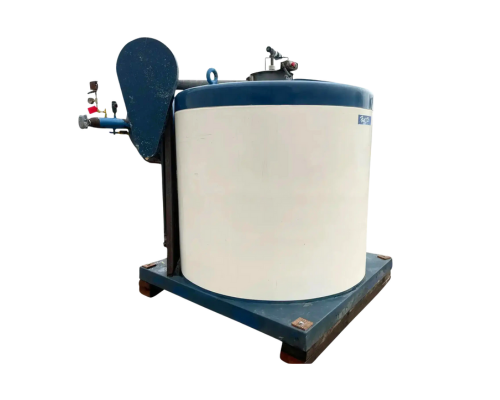
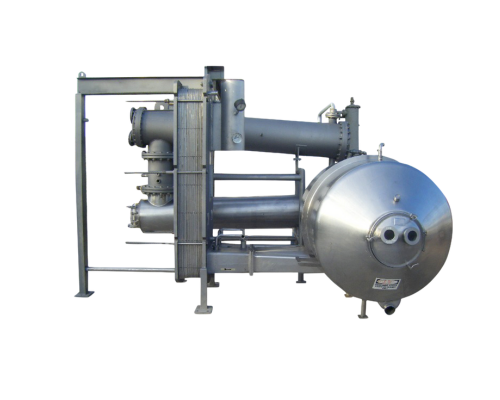
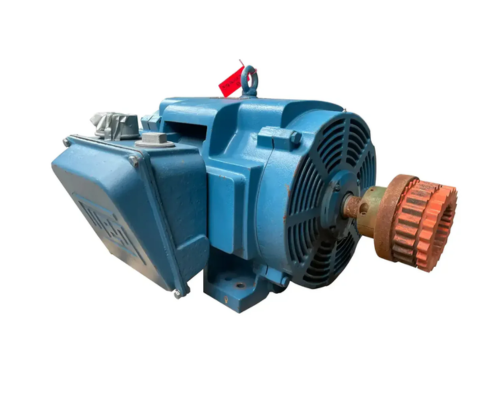
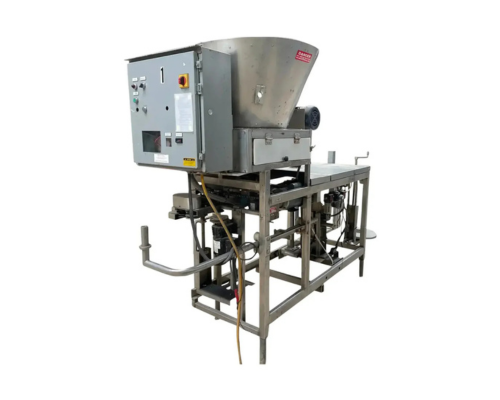
Image from Genemco
Link to Ozone Systems
What Is an Ozone System in Water Treatment?
In industrial refrigeration applications, an ozone system generates ozone gas (O₃) and injects it into recirculating water systems like cooling towers or condenser loops.
Once dissolved in water, ozone acts as a powerful oxidizer, immediately going to work on:
- Bacteria and microorganisms
- Algae and biofilm
- Dissolved minerals and organic compounds
Unlike traditional chemical treatments, ozone doesn’t linger. It breaks down into oxygen after doing its job, leaving no residual chemicals behind.
In refrigeration terms:
It’s a cleaner way to maintain water quality without adding complexity to your system.
The Real Problem: What’s Happening Inside Your Water System
If you’ve been around refrigeration systems long enough, you’ve seen it:
- Slimy biofilm building up inside piping
- Algae growth in cooling towers
- Scale deposits forming on heat exchange surfaces
- Fouling that slowly chokes system performance
These issues don’t usually happen overnight—but they add up fast.
And the impact is real:
- Higher energy consumption
- Reduced heat transfer efficiency
- Increased maintenance intervals
- Shortened equipment lifespan
How Ozone Makes a Difference
Ozone addresses these challenges at the root—by improving water quality continuously, not just reacting when problems show up.
Controlling Biological Growth (Algae & Biofilm)
Ozone is highly effective at destroying microorganisms and preventing them from forming biofilm layers.
- Breaks down existing biofilm
- Prevents regrowth
- Reduces reliance on biocides
For operators, that means cleaner surfaces and fewer surprises during inspections.
Reducing Scaling and Fouling
While ozone isn’t a traditional scale inhibitor, it plays a key role in minimizing fouling by oxidizing organic material that contributes to buildup.
- Keeps surfaces cleaner
- Reduces sludge and deposits
- Helps maintain consistent water chemistry
The result? Less buildup over time and fewer disruptions to system performance.
Improving Heat Transfer Efficiency
Heat transfer surfaces work best when they’re clean—simple as that.
By reducing biofilm and fouling, ozone helps:
- Maintain optimal heat exchange
- Improve system efficiency
- Lower energy consumption
Even a small improvement in heat transfer can have a noticeable impact on operating costs over time.
Extending Equipment Life
When systems run cleaner, they last longer.
Ozone helps:
- Reduce corrosion-related issues tied to poor water quality
- Minimize wear caused by buildup and blockages
- Support more stable operating conditions
It’s not just about performance today—it’s about protecting your investment long-term.
Why Refrigeration Teams Are Paying Attention
For facilities balancing production demands with maintenance realities, ozone offers a practical advantage:
- Fewer Chemicals to Manage: Reduced dependency on traditional treatment programs
- Cleaner Systems: Less manual cleaning and downtime
- Improved Reliability: More consistent system performance
- Operational Savings: Lower energy and maintenance costs over time
It’s not about replacing everything you’re doing—it’s about making your system work smarter.
When Plans Get Delayed: How Genemco Helps Keep You Running
Let’s be honest—projects don’t always go according to schedule.
You might have a new ozone system specified, approved, and on order…
…but then lead times stretch out.
Meanwhile, your system still needs to run. Your water quality still matters. And your team still has targets to hit.
That’s where Genemco steps in.
Working With OEMs—Not Against Them
If you’re an OEM supporting a customer with a new ozone system, we’re not here to compete with you.
We want you to close that deal and deliver the long-term solution.
But if your customer is stuck waiting, we can help fill the gap with available equipment that keeps their operation stable in the meantime.
Think of it as:
- A temporary safeguard while new equipment is in production
- A “bandaid” or “tourniquet” to maintain uptime
- A way to support your customer without disrupting your project
When your system is installed, you’re still the one who solved the problem.
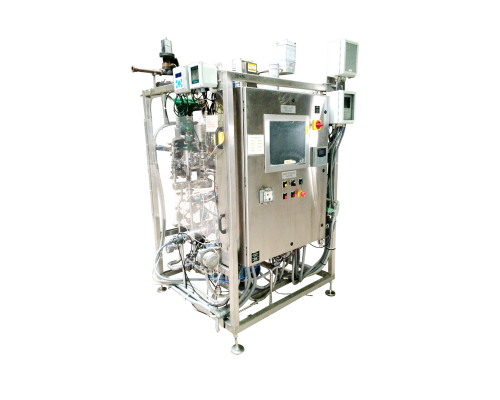
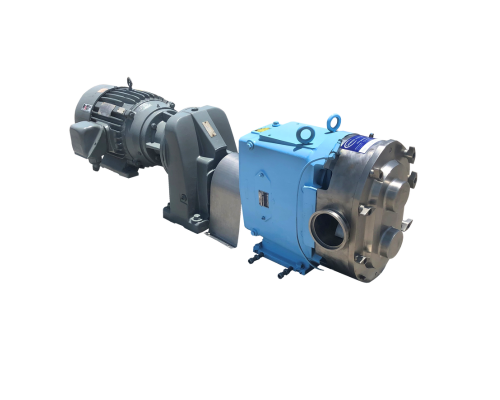
Image from Genemco
Link to Ozone Systems
Why Facilities Trust Genemco
- Immediate Equipment Availability: When downtime isn’t an option
- Cost-Conscious Options: Practical solutions that protect budgets
- Industry Experience: We understand refrigeration systems and their real-world challenges
- Flexible Support: Solutions that align with your timeline—not just ideal scenarios
Final Thoughts
In industrial refrigeration, small inefficiencies don’t stay small for long. Water quality issues can quietly chip away at performance until they become costly problems.
Ozone systems offer a straightforward way to stay ahead of that curve—keeping systems cleaner, more efficient, and more reliable.
And when timing throws a wrench in your plans, having a partner like Genemco can help you stay on track.
Because sometimes the goal isn’t perfection—it’s continuity.
Keeping things running. Protecting your system. And making sure your operation doesn’t miss a beat.


