

If you've ever watched peanut butter spread smoothly onto a slice of bread or enjoyed perfectly creamy ice cream, you've experienced the work of a scraped surface heat exchanger—whether you realized it or not.
In food processing, pharmaceuticals, cosmetics, and specialty chemical manufacturing, some products simply can't be processed using conventional heat exchangers. Thick, sticky, viscous, or temperature-sensitive products require a different approach. That's where industrial Votators® (a well-known type of scraped surface heat exchanger) come in.
For many processors, these machines aren't just another piece of equipment—they're a critical part of keeping production moving. And when one goes down unexpectedly, the entire production line can quickly follow.
What Is a Votator or Scraped Surface Heat Exchanger?
A scraped surface heat exchanger (SSHE) is designed to efficiently heat or cool products that are too thick, sticky, or delicate for traditional heat exchangers.
Inside the unit, rotating blades continuously scrape product from the inside wall of the heat transfer surface while simultaneously mixing the product. This constant scraping:
- Prevents product from burning or fouling
- Maintains efficient heat transfer
- Creates uniform product temperatures
- Handles highly viscous materials with ease
- Protects delicate product textures
The term Votator is often used generically throughout the industry, much like people say "Kleenex" when referring to tissues. While Votator is a brand name, it has become synonymous with scraped surface heat exchangers because of its long history in food processing.
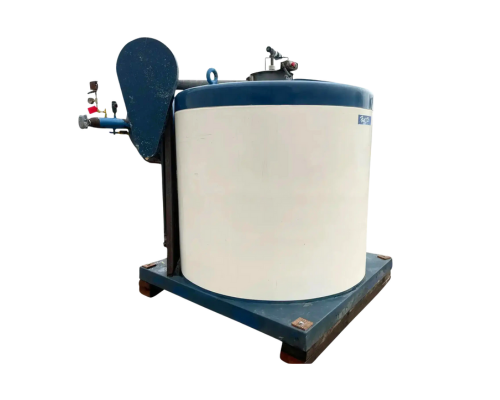
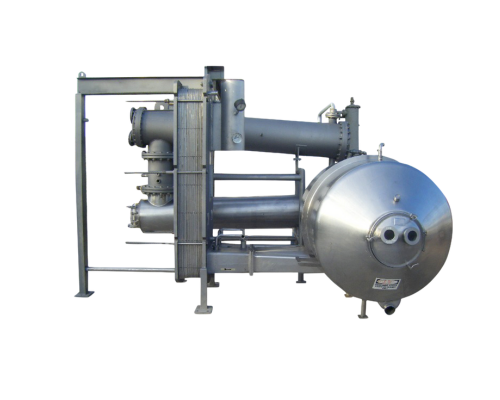
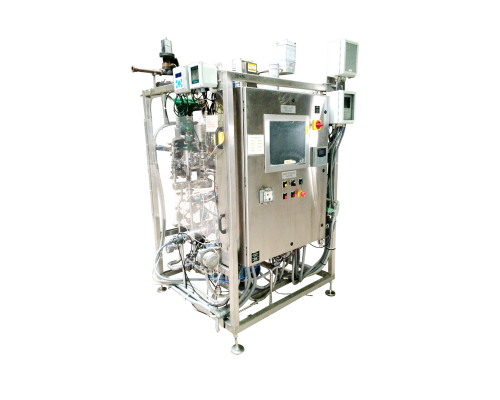
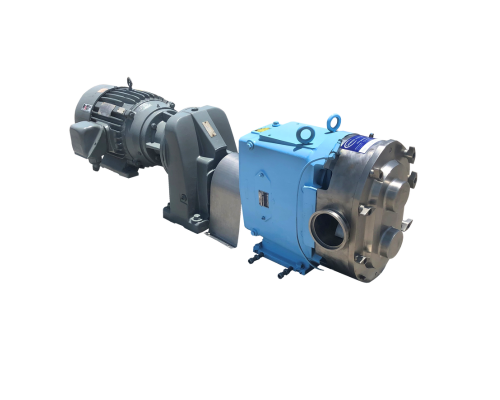
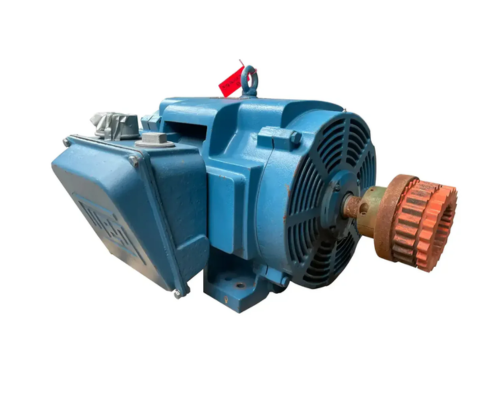
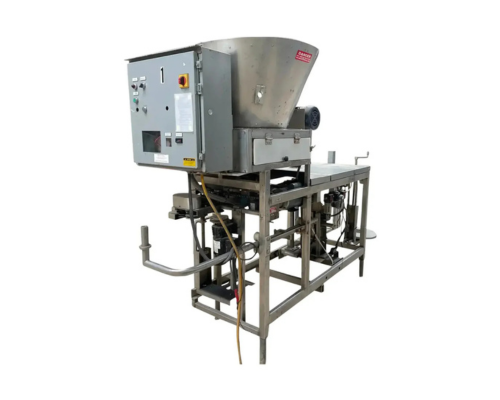
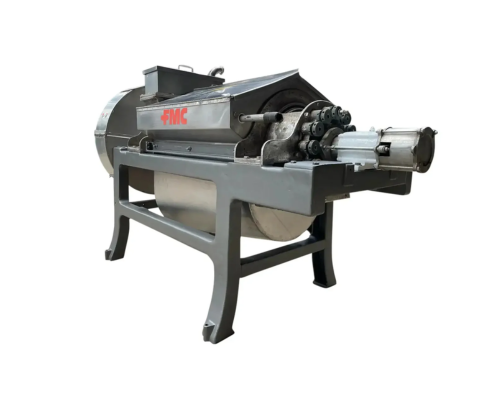
Image from Genemco
Link to Votators & Scraped Surface Heat Exchangers
Why Not Use a Traditional Heat Exchanger?
Every heat exchanger has its strengths. The challenge is choosing the right tool for the product you're processing.
| Heat Exchanger Type | Best For | Limitations |
|---|---|---|
| Scraped Surface Heat Exchanger (Votator) | Thick, sticky, viscous, crystallizing products | Higher investment but unmatched for difficult products |
| Plate Heat Exchanger | Thin liquids like milk, juice, water, beer | Can plug or foul with thick products |
| Shell & Tube Heat Exchanger | High-pressure applications, ammonia systems, oils | Lower efficiency with viscous materials |
| Tube-in-Tube Heat Exchanger | Moderate viscosity products, sanitary applications | Limited surface area and lower overall efficiency |
| Plate-Fin Heat Exchanger | Industrial refrigeration, cryogenic processes, gas cooling | Not designed for food pastes or heavy products |
Think of it this way:
Trying to run peanut butter through a plate heat exchanger is a little like trying to drink a milkshake through a coffee stirrer. It technically might move—but not very well.
Scraped surface heat exchangers were built specifically for products that don't like to flow.
Industries That Depend on Scraped Surface Heat Exchangers
Although they're commonly associated with ice cream, Votators are found across countless manufacturing industries.
Dairy Processing
Some of the world's most recognizable dairy products rely on scraped surface technology, including:
- Ice cream
- Butter
- Cream cheese
- Yogurt
- Sour cream
- Process cheese
- Margarine
These products require careful temperature control while maintaining smooth textures.
Food Processing
Food manufacturers process thousands of high-viscosity products every day, including:
- Peanut butter
- Chocolate
- Caramel
- Sauces
- Gravies
- Salsa
- Pudding
- Custards
- Frostings
- Fillings
- Mashed potatoes
- Baby food
- Soup concentrates
Many of these products would burn, separate, or become inconsistent inside a conventional heat exchanger.
Bakery & Confectionery
Consistency is everything when producing baked goods and sweets.
Scraped surface heat exchangers help process:
- Icings
- Fillings
- Fondant
- Chocolate compounds
- Cookie fillings
- Donut glazes
- Cream fillings
Meat & Protein Processing
Protein manufacturers often process products with varying fat content and viscosities, including:
- Meat emulsions
- Processed cheese sauces
- Rendered fats
- Protein pastes
- Pet food ingredients
Pharmaceutical & Personal Care
Many pharmaceutical and cosmetic products require extremely controlled heating and cooling.
Common applications include:
- Ointments
- Creams
- Lotions
- Gels
- Waxes
- Toothpaste
- Medical creams
Chemical Manufacturing
Industrial processors also use scraped surface heat exchangers for:
- Adhesives
- Resins
- Specialty chemicals
- Polymers
- Waxes
- Industrial lubricants
Why Scraping Makes Such a Difference
One of the biggest enemies of heat transfer is product buildup.
When product sticks to the heating surface, efficiency begins dropping immediately. Temperatures become inconsistent, energy consumption increases, and eventually production slows—or stops altogether.
The rotating scraper blades continuously remove that buildup before it becomes a problem.
The result is:
- Better heat transfer
- Faster production
- Less fouling
- Improved product quality
- Reduced cleaning frequency
- Longer production runs
For processors running around the clock, these benefits can translate into significant cost savings.
Downtime Doesn't Wait for Lead Times
Today's equipment lead times can stretch for months.
When a scraped surface heat exchanger unexpectedly fails, waiting 20, 30, or even 40 weeks for a replacement usually isn't an option.
Production schedules don't pause.
Customers still need deliveries.
Employees still need work.
That's where many processors begin looking for quality pre-owned equipment that can get them back online quickly.
Sometimes the goal isn't finding a permanent solution immediately.
Sometimes it's simply keeping production moving until the new equipment arrives.
Image from Genemco
Link to Votators & Scraped Surface Heat Exchangers
Helping OEMs Become the Hero
At Genemco, we work with equipment manufacturers and OEMs every day.
We're not looking to replace your new equipment sale.
In fact, we'd much rather help you keep that customer.
If your customer is facing an extended lead time for a new scraped surface heat exchanger, Genemco can often provide a quality pre-owned unit to bridge the gap.
Think of it as a temporary solution—a bridge, a bandage, or even a tourniquet when production can't afford to stop.
Your customer stays operational.
Your new equipment order stays intact.
And when the new machine arrives, they've successfully navigated a difficult situation without months of lost production.
Everyone wins.
Why Processors Choose Genemco
For more than three decades, Genemco has helped processors around the world source quality pre-owned food processing and industrial refrigeration equipment.
When you're searching for a Votator or scraped surface heat exchanger, working with Genemco means access to:
- A large inventory of used food processing equipment
- Equipment available significantly faster than new manufacturing lead times
- Experienced specialists who understand food processing applications
- Global shipping capabilities
- Thorough equipment evaluations
- Honest guidance on selecting the right equipment for your process
- A trusted family-owned company serving the industry since 1989
Whether you're replacing a failed unit, expanding production, building redundancy into your operation, or simply trying to keep a customer's production line running while new equipment is being built, our team is ready to help.
Keep Production Moving
Every processor hopes they'll never need an emergency replacement.
But equipment failures happen.
Markets change.
Production demands increase.
Lead times grow longer.
Having a trusted equipment partner can make the difference between a temporary setback and weeks—or months—of costly downtime.
Whether you're a food processor, dairy manufacturer, pharmaceutical producer, chemical processor, or an OEM looking for a short-term solution for your customer, Genemco is here to help keep operations moving until the next chapter of your production story is ready.


