

In beverage manufacturing, consistency is everything.
Whether it’s a brewery dialing in fermentation temperatures, a juice processor maintaining product quality, or a bottling facility trying to keep production moving during peak season, temperature control plays a major role in nearly every step of the process.
And while consumers may focus on the final product in the bottle or can, beverage manufacturers know there’s an enormous amount of equipment working behind the scenes to make that consistency possible.
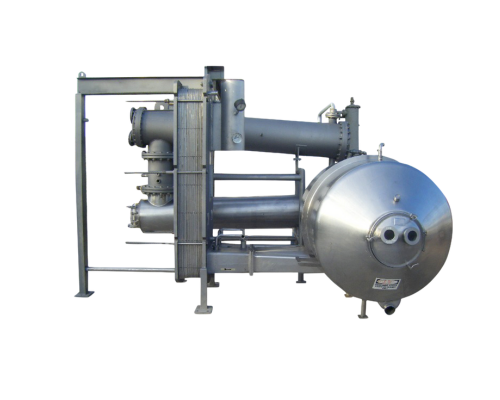
One of the most dependable pieces of that infrastructure is the shell & tube heat exchanger.
For decades, shell & tube heat exchangers have helped beverage facilities manage cooling, heating, refrigeration, and process stability in demanding production environments where downtime simply isn’t an option.
What Is a Shell & Tube Heat Exchanger?
A shell & tube heat exchanger transfers heat between two separate fluids without allowing them to mix.
The design is relatively straightforward:
- One fluid flows through a bundle of internal tubes
- Another fluid flows around those tubes within an outer shell
- Heat transfers efficiently between the two mediums
What makes shell & tube exchangers so valuable in beverage manufacturing is their ability to handle:
- Continuous production schedules
- Large-volume processing
- Refrigeration support systems
- Industrial cleaning environments
- Variable operating temperatures
- High-capacity cooling demands
They are durable, serviceable, and built to support facilities running long production hours day after day.
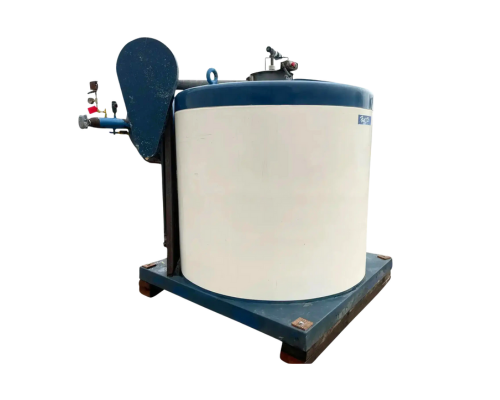
Image from Genemco
Link to Shell & Tube Heat Exchangers
Why Temperature Control Matters in Beverage Manufacturing

In beverage production, temperature affects nearly everything:
- Product flavor
- Shelf life
- Fermentation performance
- Carbonation consistency
- Ingredient stability
- Packaging efficiency
- Food safety compliance
Even small temperature inconsistencies can create major production issues.
That’s why beverage facilities rely heavily on dependable heat transfer equipment throughout their operations.
Common Beverage Manufacturing Applications
Breweries
Breweries use shell & tube heat exchangers in several critical areas of production.
Applications often include:
- Wort cooling
- Glycol chilling systems
- Refrigeration loops
- Fermentation temperature control
- Compressor oil cooling
Brewers understand that maintaining precise temperatures can directly impact flavor consistency from batch to batch.
Juice & Beverage Processing
Juice manufacturers and beverage processors often utilize shell & tube exchangers for:
- Product cooling
- Ingredient temperature regulation
- Refrigeration support
- Process water systems
- Thermal stabilization
These systems help facilities maintain product integrity while supporting high production volumes.
Bottling & Packaging Facilities
Large-scale bottling operations require stable temperatures throughout processing and packaging.
Shell & tube exchangers help support:
- Cooling water systems
- Refrigeration systems
- Air compressor cooling
- Hydraulic oil cooling
- Utility process systems
In high-speed production facilities, reliable utility support equipment becomes just as important as the filling lines themselves.
Distilleries
Distilleries frequently use shell & tube heat exchangers during:
- Mash cooling
- Fermentation support
- Condensing operations
- Process refrigeration
- Cooling water circulation
Because many distilleries operate with varying production demands throughout the year, flexible and durable heat exchange equipment is especially valuable.
Why Shell & Tube Heat Exchangers Continue to Be a Trusted Choice
While there are many heat exchanger technologies available today, shell & tube exchangers remain widely used throughout beverage manufacturing because they prioritize durability and reliability.
For production managers and maintenance teams, those qualities matter.
Shell & tube systems are often selected because they:
- Handle industrial workloads well
- Support continuous operation
- Are easier to maintain in many applications
- Perform reliably in refrigeration systems
- Work well with ammonia and glycol systems
- Offer long operational life
In beverage production, equipment that quietly works every day without constant attention is often the equipment facilities value most.
Production Downtime Can Escalate Quickly
Anyone in beverage manufacturing knows how fast a production issue can snowball.
A refrigeration failure or cooling issue can lead to:
- Missed production schedules
- Product waste
- Delayed shipments
- Packaging interruptions
- Inventory shortages
- Lost revenue opportunities
And unfortunately, replacing industrial equipment isn’t always fast.
Lead times on new shell & tube heat exchangers or refrigeration components can sometimes stretch for months depending on system size, customization, or manufacturing backlog.
But production schedules usually can’t pause for months.
That’s where Genemco helps many beverage manufacturers, refrigeration contractors, and OEMs find practical short-term solutions.
Supporting OEMs Instead of Competing Against Them
One thing Genemco strongly understands is the importance of long-term industry relationships.
If you’re an OEM, refrigeration contractor, or engineering firm, Genemco is not looking to take your customer or your equipment sale.
In many situations, Genemco helps support those relationships.
Here’s a common example:
An OEM successfully sells a new heat exchanger package to a beverage facility, but the lead time is several months. Meanwhile, the customer is facing an immediate operational problem that can’t wait until the new equipment arrives.
That’s where Genemco can help bridge the gap with available used or surplus equipment.
Think of it as:
- A temporary solution
- A backup plan
- A bandaid
- Or even a tourniquet to help keep production running until permanent equipment is delivered
From the customer’s perspective, the OEM becomes the hero because they found a practical way to help minimize downtime instead of simply saying, “You’ll have to wait.”
In industries built on relationships and responsiveness, that matters.
Why Beverage Manufacturers Choose Genemco
Genemco’s industrial equipment inventory includes a wide range of industrial refrigeration and heat transfer equipment used throughout beverage production facilities.
Companies often work with Genemco because of:
- Large available inventory
- Faster equipment availability
- Cost savings versus buying new
- Experience with industrial refrigeration systems
- Knowledge of food and beverage processing applications
- Emergency equipment support
- Equipment sourcing capabilities
For beverage manufacturers trying to protect uptime and maintain production flow, having access to available equipment quickly can make a major difference.
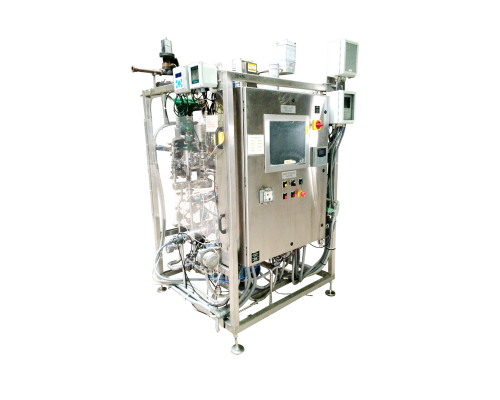
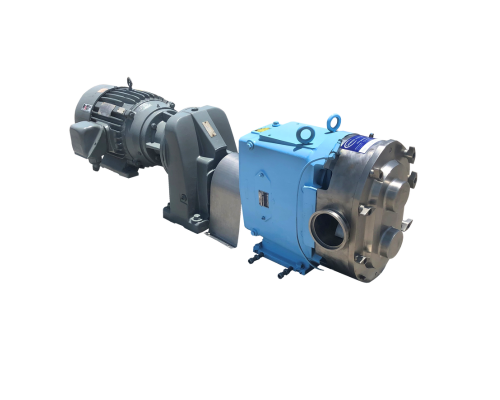
Image from Genemco
Link to Shell & Tube Heat Exchangers
Final Thoughts
Beverage manufacturing depends heavily on stable temperatures, reliable refrigeration systems, and dependable process equipment.
That’s why shell & tube heat exchangers continue to play such an important role throughout breweries, bottling facilities, juice processors, distilleries, and beverage manufacturing plants around the world.
Their durability, flexibility, and long-term reliability make them a practical solution for facilities focused on keeping production consistent and operations moving smoothly.
And when unexpected equipment failures or extended lead times threaten production schedules, companies like Genemco help beverage manufacturers, OEMs, and contractors find ways to keep facilities operational while long-term solutions are still on the way.


