

Think about your favorite seasoned chips, flavored crackers, ready-to-eat meals, or snack mixes. You expect the same flavor every time you open the package. The seasoning shouldn't be concentrated in one corner of the bag, the coating shouldn't be patchy, and the product shouldn't taste noticeably different from one batch to the next.
For food manufacturers, delivering that consistency takes more than a good recipe. It takes the right equipment to apply, distribute, and control flavor ingredients throughout production.
That's where industrial flavorizers and related seasoning and coating systems come into play.
Yes, industrial flavoring equipment is widely used in prepared foods and packaged product manufacturing. Depending on the application, these systems can apply dry seasonings, liquid flavors, oils, spice blends, and other coatings to products moving through a production line.
The equipment varies considerably by product, though. A system designed to season potato chips isn't necessarily suitable for coating frozen prepared foods or blending flavor ingredients into a ready-meal sauce. Understanding those differences is the first step toward finding the right solution.
What Is an Industrial Flavorizer?
The term industrial flavorizer can refer to different types of equipment used to add or distribute flavor ingredients during food manufacturing. In many prepared-food applications, this means a flavoring, seasoning, or coating system that applies ingredients to the product's surface.
Depending on the product and process, equipment may include:
-
Seasoning tumblers and coating drums that rotate or gently move products while seasonings are applied.
-
Liquid flavor and oil applicators that spray measured amounts of liquids onto products.
-
Dry ingredient feeders that dispense powders, spices, and seasoning blends.
-
Integrated flavoring systems that combine liquid application, dry seasoning, and product handling in one coordinated setup.
-
Mixing and blending equipment that distributes flavor ingredients throughout products such as prepared meals, fillings, sauces, and other formulations.
These machines perform different jobs. Some apply flavor to the outside of a product; others incorporate ingredients into a mixture. The right choice depends on where and how the flavor needs to be introduced.
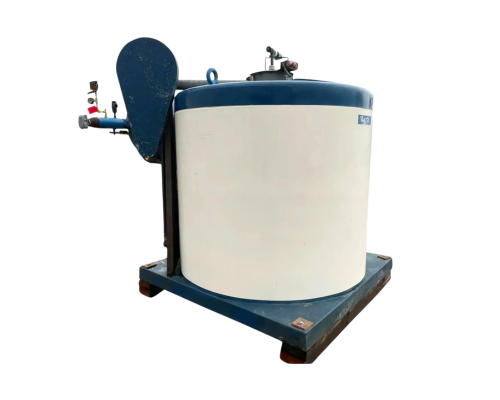
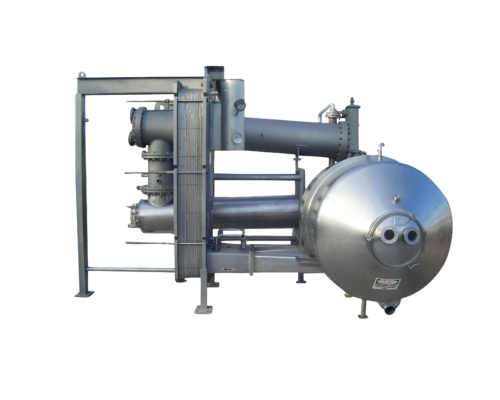
Image from Genemco
Link to Flavorizers, Vacuumizers, Deaerators & Food Additive Skids
How Are Flavorizers Used in Prepared Foods and Packaged Products?
Prepared foods cover a huge range of products, from simple seasoned snacks to complex meals containing multiple ingredients. Here are several ways industrial flavoring systems can support their production.
1. Snacks, Chips, and Crackers
Potato chips, tortilla chips, pretzels, crackers, and similar snacks are classic applications for industrial seasoning equipment.
After cooking or baking, products may pass through a seasoning drum or another application system where salt, spice blends, cheese powders, barbecue seasoning, or other flavor ingredients are added.
Liquid oil may also be applied to help dry seasoning adhere to the product.
The challenge is getting the right amount of seasoning onto each piece without excessive waste or uneven coverage. A properly configured system helps distribute ingredients across the product stream and supports repeatable application from batch to batch.
For manufacturers producing multiple flavors, equipment flexibility can be especially valuable. Changing from one seasoning profile to another may require adjustments to feeders, application rates, or cleaning procedures.
2. Nuts, Seeds, and Snack Mixes
Roasted nuts, coated peanuts, pumpkin seeds, trail mixes, and other snack products often use flavoring and coating equipment to apply oils, spices, sweet coatings, or savory seasoning blends.
A coating tumbler can move the product while application equipment distributes ingredients across its surface. Depending on the product, the process may involve liquid sprays, dry powder feeders, or a combination of both.
For manufacturers, consistent application helps deliver the flavor customers expect while managing the amount of seasoning used.
It also matters for product handling. The equipment must be appropriate for the size, shape, fragility, and surface characteristics of the product being processed.
3. Ready-to-Eat Meals and Prepared Entrées
Prepared foods such as frozen meals, pasta dishes, rice bowls, vegetable blends, and other ready-to-eat products often rely on multiple ingredients working together.
In these applications, flavoring may involve adding sauces, seasonings, spice blends, or liquid flavor ingredients at different stages of production.
A flavorizer designed for surface coating may be useful for certain components, while mixing or blending equipment may be better suited to incorporating flavor throughout a sauce, filling, or prepared mixture.
For example, seasoning a batch of roasted vegetables is a different task from blending herbs and flavor extracts into a pasta sauce. The equipment needs to match the product and the intended result.
The objective is to deliver a consistent finished product without damaging delicate ingredients or changing the texture unnecessarily.
4. Frozen Foods and Breaded Products
Frozen vegetables, prepared potatoes, meat and seafood products, and breaded entrées may require seasoning, oil application, or specialized coatings as part of their processing.
Depending on the product, flavor ingredients may be applied before freezing, after cooking, or at another point in the production sequence.
The timing matters because moisture, temperature, surface texture, and subsequent processing can influence how well a coating adheres and how the flavor performs.
Equipment must also meet the appropriate sanitation requirements for the product being processed. A system used in a dry snack operation may not be suitable for a wet, washdown-intensive frozen food line.
5. Bakery Products and Cereals
Crackers, savory baked goods, breakfast cereals, granola, and other packaged products can benefit from controlled seasoning or coating application.
Some products receive dry seasoning, while others may require oil, syrup, sweet coatings, or a combination of ingredients.
Industrial application systems help manufacturers distribute these ingredients consistently across products moving at production speed.
For operations producing multiple varieties, repeatable application rates and manageable changeovers can help maintain quality while supporting product variety.
6. Confectionery and Specialty Packaged Products
Certain confectionery products, dried fruits, and specialty snacks also use industrial flavoring or coating systems.
Depending on the product, equipment may apply flavored coatings, oils, powders, or other ingredients to achieve a particular taste or finish.
Temperature control, ingredient compatibility, and the product's physical characteristics can be especially important when working with sticky coatings, heat-sensitive flavors, or delicate products.
Not every flavoring system can handle these applications, so the equipment's design and operating range should be confirmed before purchase.
Why Does Consistent Flavor Application Matter?
At small scale, an operator may be able to adjust seasoning by eye or make changes as a batch is processed. At industrial scale, that approach becomes much harder to manage consistently.
The right flavoring equipment can help manufacturers achieve several practical benefits.
More uniform flavor distribution. Properly configured application systems help distribute liquid or dry ingredients more evenly across the product.
Better control over ingredient usage. Accurate metering and application can help reduce over-seasoning, unnecessary product loss, and wasted ingredients.
Repeatable production. Controlled settings and repeatable application methods help manufacturers maintain a more consistent result across production runs.
Greater product flexibility. Suitable systems may support a variety of seasoning profiles, coatings, and product types, depending on their configuration.
Potentially smoother changeovers. Equipment designed for accessible cleaning and recipe changes may help reduce downtime when switching between products.
Improved production control. Automated feeding, spraying, and monitoring can help operators manage application rates more consistently than less controlled methods.
The exact benefits depend on the equipment and the application. Uniform seasoning, for example, also depends on product flow, surface moisture, seasoning characteristics, and the condition of the equipment.
Choosing the Right Flavoring Equipment
Before purchasing an industrial flavorizer, it helps to define exactly what the machine needs to accomplish.
Start with the product
Are you seasoning chips, coating nuts, applying oil to a snack, or blending ingredients into a prepared meal? Product size, shape, fragility, moisture, temperature, and surface characteristics all influence equipment selection.
Determine the application method
Will the process use dry powder, liquid flavor, oil, a slurry, or multiple ingredients? The required feeders, spray systems, tumblers, and controls will vary accordingly.
Match the equipment to production capacity
Consider the required throughput, line speed, product flow, and available space. A machine that performs well at one capacity may not deliver the same results when pushed beyond its intended operating range.
Evaluate sanitation and changeovers
If the facility produces multiple flavors or handles different allergen profiles, cleaning access and changeover procedures are important. Food-contact materials and washdown requirements must be appropriate for the application.
Review controls and integration
Consider whether the equipment needs to communicate with upstream conveyors, weighing systems, packaging equipment, or other production-line components.
Check the condition of pre-owned equipment
For used machinery, review the available specifications, condition, included accessories, documentation, and any required repairs or modifications. Confirm that the unit can meet the product's requirements before committing to the purchase.
The name of the machine is only the starting point. Its actual design and capabilities determine whether it's suitable for your operation.
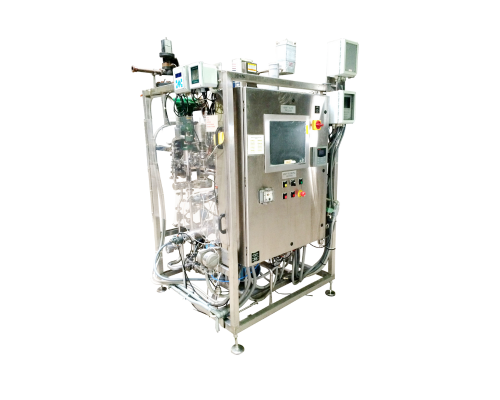
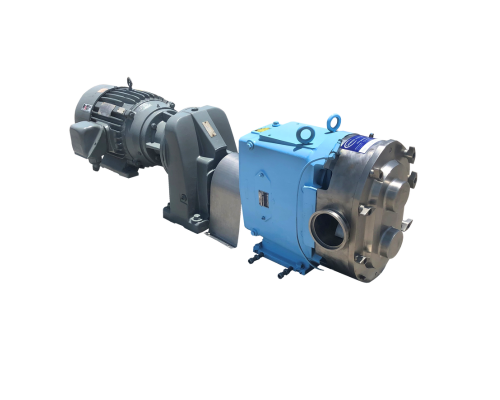
Image from Genemco
Link to Flavorizers, Vacuumizers, Deaerators & Food Additive Skids
Why Consider Genemco for Food Processing Equipment?
Production demands don't always arrive with a convenient timeline. Maybe a new packaged product is moving from development into full production. Maybe an existing line needs additional capacity. Or perhaps an equipment issue has created a need that wasn't part of the original budget.
In those situations, exploring pre-owned equipment may provide another option.
Genemco has been family-owned and operated since 1989, buying, selling, and appraising pre-owned industrial refrigeration and food processing equipment. Our broad inventory gives manufacturers another resource when researching machinery for their operations.
Depending on the project, a suitable pre-owned unit may help address an equipment need without relying exclusively on a new-build purchase. It may also be worth considering for a production expansion, a replacement project, or an interim application.
For flavoring and coating applications, the key is matching the machine to the product. A seasoning tumbler, dry ingredient feeder, liquid applicator, and flavor-blending system each perform different functions, and their suitability depends on the process requirements.
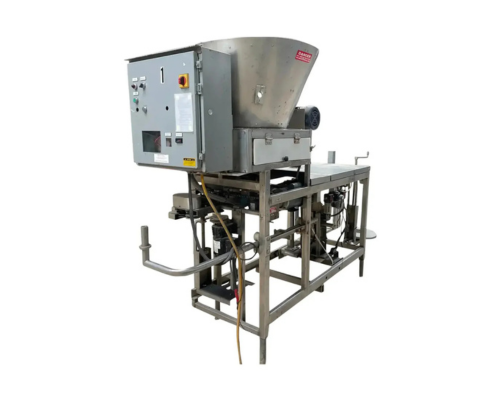
Genemco has listed a Cherry Burrell Stainless Steel Flavorizer, which may be a useful starting point when researching available flavor-related processing equipment.
View the Cherry Burrell Stainless Steel Flavorizer
Before purchasing, confirm the unit's current availability, specifications, condition, and intended application. The term flavorizer alone doesn't establish that a machine is suitable for dry seasoning, surface coating, or every type of prepared food.
If a particular unit isn't a match, related equipment categories may also be worth exploring based on the process.
The goal is to help manufacturers evaluate practical options and find equipment that makes sense for the job.
OEMs: Help Your Customer Navigate the Gap Between Need and Delivery
For an OEM, a successful sale is the start of a commitment. You've worked with the customer to understand their operation, recommended equipment that fits their needs, and helped them plan for the next stage of production.
Then the schedule gets complicated.
Perhaps the customer has a new product launch approaching. Perhaps they're increasing capacity to meet demand. The new equipment is the right long-term investment, but the lead time leaves them with a problem to solve today.
That's where Genemco may be able to support the plan you've already put in motion.
We're not trying to take the sale away from you. We want to help you remain the person your customer can count on.
Depending on the application, a suitable pre-owned flavoring or related processing machine may offer a temporary option while your new equipment is being manufactured or delivered.
Think of it as a contingency plan for production. It might be a simple bandaid for a short-term issue—or, if the line is at risk of going down, a tourniquet to help keep the operation running until the permanent equipment arrives.
Of course, a temporary machine still needs to meet the customer's process requirements, sanitation expectations, installation needs, and safety requirements. It's not about putting any available equipment into the plant and hoping for the best.
It's about exploring whether there's a sensible option that helps your customer manage the wait.
You remain the OEM delivering the long-term solution. You continue to lead the relationship and provide the equipment your customer purchased. Genemco may be able to help with the immediate equipment need so the customer has another path to consider.
That can make a difficult lead-time conversation more productive. Instead of focusing only on what can't arrive yet, you can work with your customer to explore what might be possible in the meantime.
You don't have to be the only one looking for an answer. We want to be a resource that helps you take care of your customer, protect the relationship you've built, and keep the long-term project moving forward.
Find Equipment That Fits Your Production Line
Industrial flavorizers and related seasoning and coating systems play an important role in prepared foods and packaged product manufacturing. They help manufacturers apply ingredients consistently, manage seasoning usage, and produce the familiar flavors customers expect.
The right equipment depends on the product, the application method, and the demands of the production line.
Whether you're expanding a line, evaluating a replacement, or searching for an interim option while a new machine is on order, Genemco can help you explore pre-owned food processing equipment.
Visit Genemco.com to browse equipment or contact our team to discuss your needs.
Because behind every great-tasting packaged product is a process that has to work—batch after batch, shift after shift.


