

In foodservice distribution, ice cream isn’t just a product—it’s a promise. A promise that when a restaurant, stadium, university, or hospitality group opens a freezer door, the product inside will be exactly what was expected: consistent, ready-to-serve, and available in volume.
Unlike retail-focused production, foodservice suppliers operate in a world driven by bulk demand, rapid fulfillment, and strict reliability requirements. And behind that reliability is a network of industrial ice cream equipment working continuously to keep supply chains cold and uninterrupted.
Built for Volume, Speed, and Reliability
Foodservice ice cream production is all about scale. Whether supplying gallon tubs for scooping programs or bulk cartons for dessert programs, the equipment has to support high throughput without compromising quality.
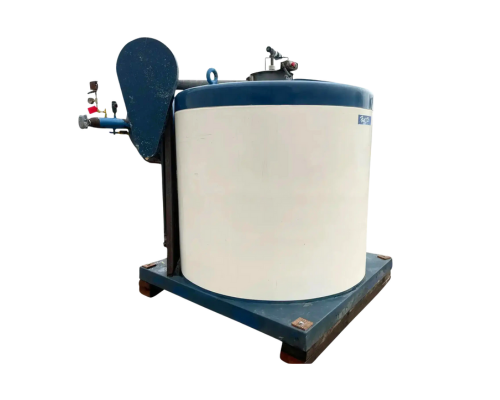
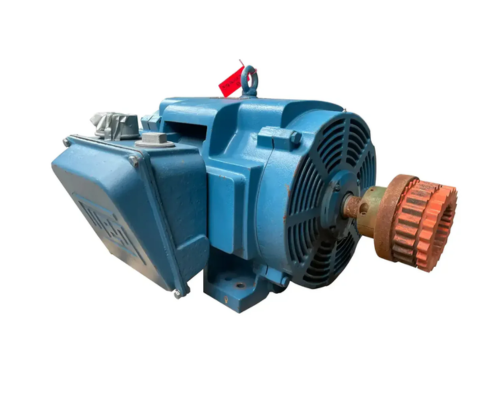
At the core are industrial ice cream freezers, which control the texture, overrun, and temperature profile of the finished product. In foodservice applications, consistency isn’t just about brand reputation—it directly impacts portioning, yield, and operator experience downstream.
Image from Genemco
Link to Ice Cream Equipment
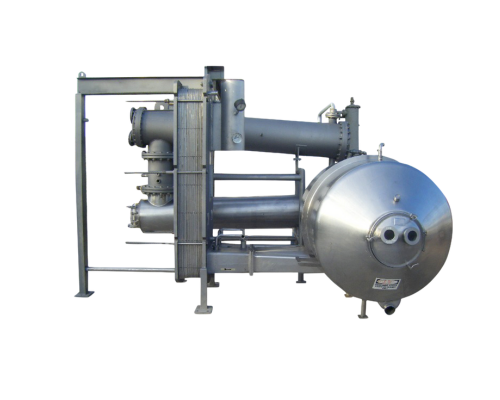
Facilities often rely on durable systems like the Vogt freezer, known for its long-term reliability in continuous production environments. When a supplier is fulfilling nationwide contracts or servicing large hospitality accounts, freezer uptime becomes a critical part of the business model—not just a production metric.
Image from Genemco
Link to Ice Cream Equipment
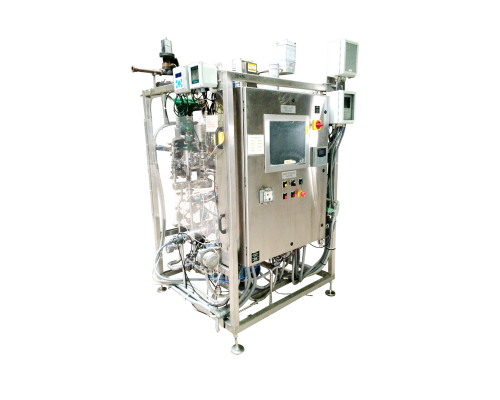
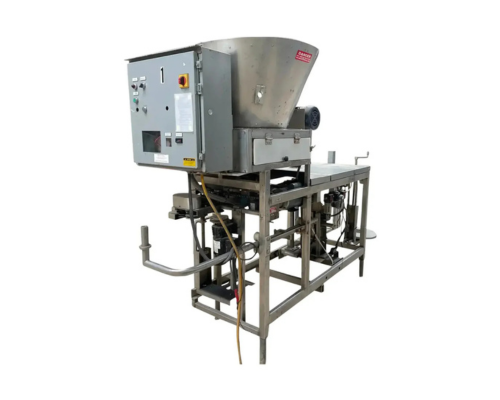
From there, ice cream ingredient feeding machines ensure that mix-ins like cookies, fudge, fruit, or candy are delivered evenly and consistently into bulk production. In foodservice formats, inclusions must be uniform across large containers where operators expect repeatable scooping performance every time.
Image from Genemco
Link to Ice Cream Equipment
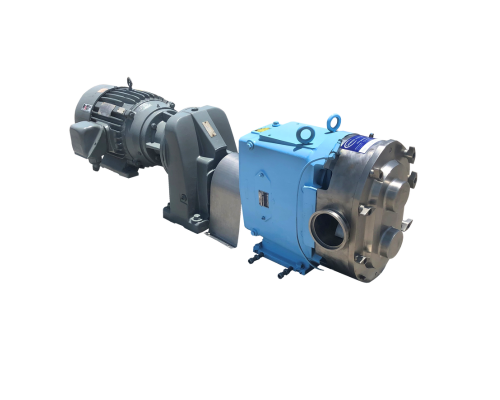
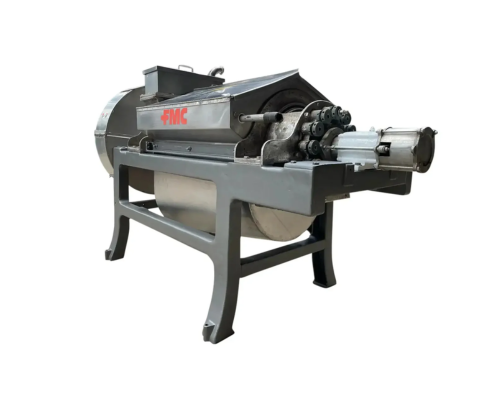
At the end of the line, shrink wrappers and packaging systems ensure products are protected, sealed, and distribution-ready. In this sector, packaging isn’t just about presentation—it’s about durability through transport, storage, and repeated handling in commercial kitchens and institutional settings.
Image from Genemco
Link to Ice Cream Equipment
When Demand Doesn’t Wait for Equipment
Foodservice supply chains don’t have the luxury of slow ramp-ups.
A new contract with a stadium vendor. A hospitality chain expanding dessert offerings. A university system increasing volume for seasonal demand.
These opportunities often move faster than capital equipment timelines.
And when production needs shift quickly, waiting months for new machinery isn’t always realistic.
That’s where flexibility becomes just as important as capacity.
A Practical Safety Net for Production Continuity
This is where Genemco plays a valuable role in the ecosystem.
Genemco provides readily available used and surplus industrial equipment that helps foodservice suppliers stay operational when timing is tight or unexpected gaps appear in production capacity.
It’s not about replacing long-term investments—it’s about keeping fulfillment commitments intact when the timeline doesn’t cooperate.
If a freezer goes down unexpectedly or a packaging line upgrade is still months away, having immediate access to replacement or supplemental equipment can act as a bandaid—or even a tourniquet—keeping production moving while permanent solutions are still in motion.
In foodservice, where delivery schedules are tied directly to customer operations, that kind of continuity matters.
Supporting OEM Relationships in a Different Way
There’s another important piece here that often gets overlooked: OEM partnerships.
OEMs are essential in this industry, especially when foodservice suppliers are scaling operations or building out new accounts.
But when lead times stretch and demand doesn’t slow down, customers can feel caught in the middle—waiting for critical equipment while obligations continue to grow.
Genemco’s role is not to interfere with that relationship.
Instead, it helps protect it from strain.
By providing interim equipment options, Genemco allows OEMs to stay focused on delivering their long-term solution while the end user keeps production running. It’s a way of ensuring that no one loses momentum during the gap between purchase and installation.
In that sense, the OEM still owns the long-term win—and the customer sees them as the provider of the strategic solution they were waiting for.
The Reality Behind Every Scoop Served
Foodservice ice cream supply doesn’t get much attention at the consumer level—but behind the scenes, it’s one of the most operationally demanding segments in the industry.
Every scoop served in a cafeteria, every dessert plate in a hotel, every soft-serve offering at a stadium depends on a chain of equipment performing exactly as expected.
When it works, nobody notices. When it doesn’t, everyone does.
That’s why uptime, flexibility, and access to backup capacity matter so much.
Because in foodservice manufacturing, success isn’t just about producing ice cream—it’s about making sure it’s always there when someone opens the freezer door and expects it to be ready.


