

In the world of large-scale food production, ice cream isn’t just a dessert—it’s a highly engineered process. Behind every perfectly swirled scoop or neatly wrapped novelty bar is a lineup of specialized industrial equipment working in sync to deliver consistency, efficiency, and food safety at scale.
The Industries Behind Industrial Ice Cream Production
Industrial ice cream equipment is used across a surprisingly broad range of sectors—not just traditional ice cream brands.
Dairy manufacturers are the most obvious users, producing everything from premium pints to bulk tubs for foodservice. These operations rely heavily on continuous freezers, ingredient feeders, and packaging systems to maintain throughput and texture consistency.
Frozen novelty producers—the companies behind ice cream sandwiches, bars, cones, and pops—depend on precision equipment like molders, shrink wrappers, and extrusion lines. These products require tight coordination between freezing, forming, and packaging stages.
Co-packers and contract manufacturers also play a major role. Many emerging or regional brands outsource production, meaning co-packers must stay flexible with equipment that can handle multiple formulations and formats.
Foodservice suppliers—those providing ice cream to restaurants, stadiums, and hospitality groups—often produce in large batches where reliability and uptime are critical.
And increasingly, plant-based and alternative dessert manufacturers are entering the space. Their formulations may differ, but the core equipment—freezers, feeders, and packaging lines—remains essential.
The Equipment That Keeps It All Moving
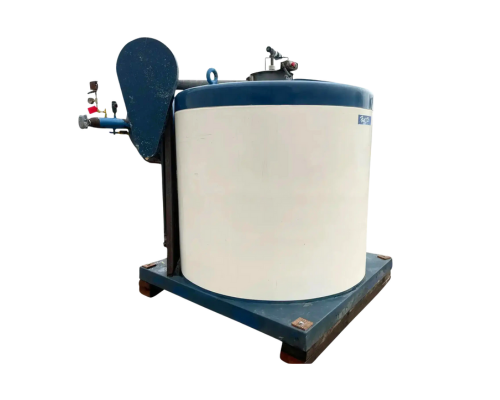
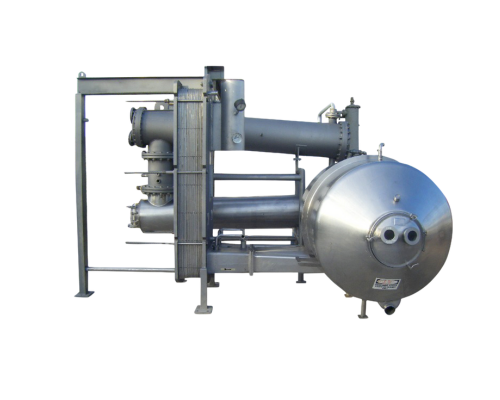
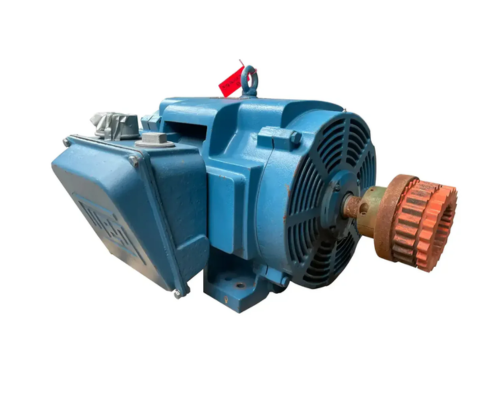
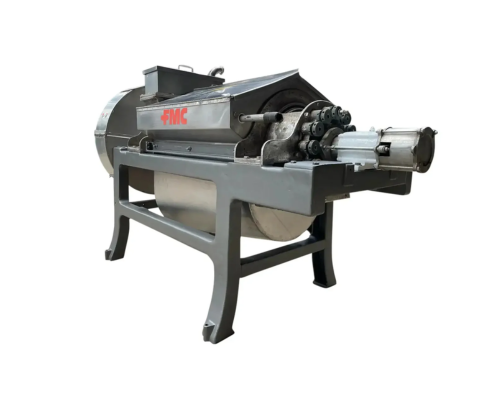
At the heart of these operations are industrial ice cream freezers, including continuous and batch systems. These machines control overrun (air incorporation), texture, and temperature—all critical to product quality.
Image from Genemco
Link to Ice Cream Equipment
Specialized systems like Vogt freezers are known for their durability and performance in demanding environments, especially where consistent freezing capacity is non-negotiable.
Image from Genemco
Link to Ice Cream Equipment

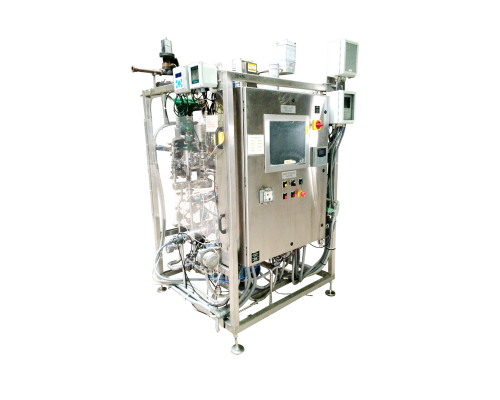
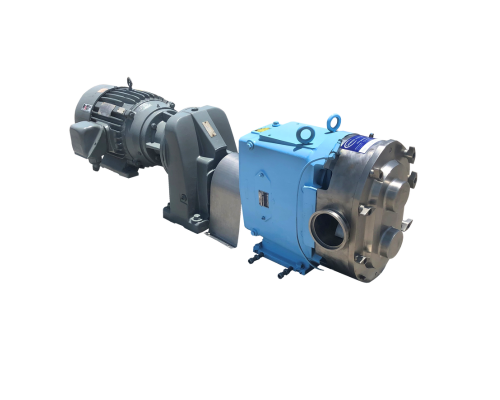
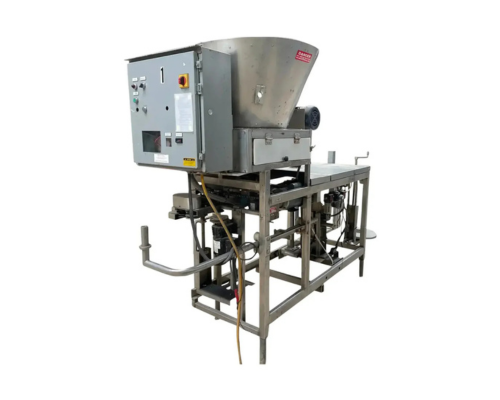
Ingredient feeding machines ensure inclusions like chocolate chips, nuts, or fruit are evenly distributed without disrupting flow. Meanwhile, shrink wrappers and packaging lines finalize the product, preparing it for distribution with speed and precision.
Image from Genemco
Link to Ice Cream Equipment
Each piece of equipment plays a role in a tightly choreographed process. When one component goes down, the entire line can feel it.
The Reality of Production: When Equipment Isn’t Available Fast Enough
Here’s where things get real for many operations.
Lead times on new equipment can stretch months—or longer. And production doesn’t pause just because a new freezer or packaging system is stuck in a queue.
That’s where companies like Genemco step in.
Genemco specializes in providing ready-to-ship, high-quality used and surplus equipment. For manufacturers, that can mean the difference between downtime and staying operational.
Think of it less as a replacement—and more as a strategic bridge.
If a critical piece of equipment fails, or demand spikes unexpectedly, having access to available inventory can act as a bandaid—or even a tourniquet—keeping your operation running while you wait for long-term solutions.
Supporting OEMs, Not Competing With Them
It’s worth saying clearly: this isn’t about replacing OEM relationships.
If you’re an OEM making a sale, Genemco isn’t trying to take that away. In fact, the goal is the opposite—to support your customer while your equipment is being built and delivered.
When lead times are long and pressure is high, having a trusted source for interim equipment helps everyone win:
- The end user avoids costly downtime
- The OEM keeps the long-term sale
- The operation continues running without disruption
In that sense, Genemco helps make you the hero—providing a solution when your customer needs it most.
A More Human Side of Industrial Equipment
At the end of the day, behind every processing line is a team of people trying to hit production targets, manage costs, and keep things running smoothly.
Equipment failures don’t just impact output—they create stress, long nights, and tough conversations.
Having a partner who understands that—and can offer practical, immediate solutions—makes a difference.
Whether it’s a freezer, a feeder, or a full processing line, the goal is simple: keep production moving.
Because in this industry, uptime isn’t just a metric—it’s everything.


