

Some water challenges are straightforward. Others—like the ones found in pulp and paper mills, textile plants, and chemical processing facilities—are anything but.
Here, water isn’t just carrying light contaminants. It’s loaded with dyes, lignin, surfactants, and complex organic compounds that don’t break down easily. It’s often dark, odorous, and difficult to treat using conventional methods alone.
That’s where ozone systems step in—not as a simple disinfectant, but as a powerful oxidation tool that helps transform some of the most stubborn water streams into something manageable, reusable, and compliant.
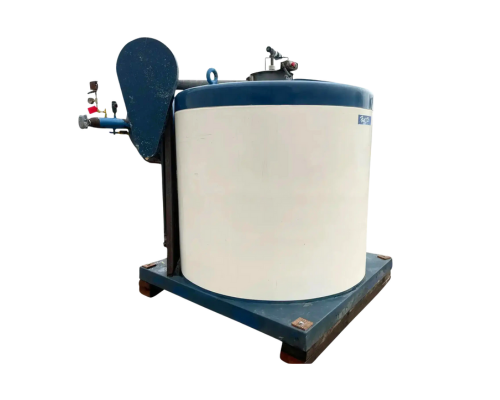
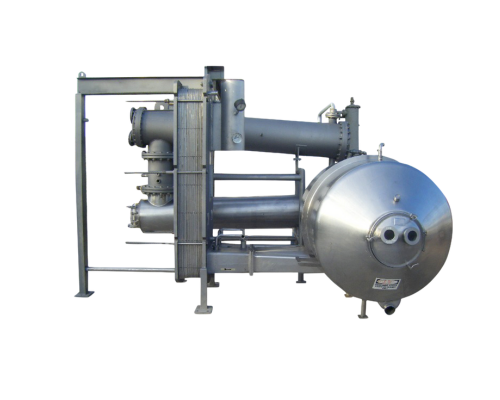
Image from Genemco
Link to Ozone Systems
What Is an Ozone System in Industrial Water Treatment?
In these heavy-duty applications, an ozone system generates ozone gas (O₃) and dissolves it into process or wastewater streams.
The system typically includes:
- An ozone generator (producing ozone from oxygen)
- Injection systems (venturi or diffusion-based)
- Contact chambers (where oxidation reactions occur)
- Off-gas destruct units (for safe ozone handling)
Once in the water, ozone reacts aggressively with complex molecules—breaking them apart into simpler forms.
In practical terms:
It doesn’t just “clean” water—it reshapes it at a chemical level, making it easier to treat, reuse, or discharge.
Where Ozone Makes an Impact
In pulp, textile, and chemical processing, ozone is often used where traditional treatment methods start to struggle.
Color Removal (A Big One)
If you’ve ever seen wastewater from a textile dye line or a pulp mill, you know how intense the color can be.
That color isn’t just cosmetic—it can:
- Interfere with downstream treatment
- Create compliance challenges
- Impact receiving waterways
Ozone is highly effective at:
- Breaking down color-causing compounds
- Decolorizing wastewater quickly
- Improving overall clarity
For facilities, that can mean a more straightforward path to discharge compliance.
Oxidation of Complex Compounds
Many industrial processes generate compounds that are resistant to biological treatment.
Think:
- Synthetic dyes
- Phenols and solvents
- Lignin byproducts in pulp processing
Ozone helps by:
- Breaking complex molecules into smaller, more biodegradable forms
- Reducing toxicity
- Enhancing the effectiveness of biological treatment systems
It’s often used as a pre-treatment or polishing step to make the rest of the system work better.
Enabling Process Water Reuse
Water reuse is becoming less of an option and more of a necessity—especially in water-intensive industries.
Ozone supports reuse by:
- Removing color and odor
- Reducing organic load
- Improving overall water quality
That allows facilities to:
- Recycle water back into production
- Reduce freshwater consumption
- Lower discharge volumes
For operations teams, that’s both an environmental win and a cost-saving opportunity.
Why Ozone Is Gaining Ground in These Industries
When you’re dealing with difficult water streams, flexibility matters.
Ozone offers:
- Strong Oxidation Capability: Effective against compounds that resist other treatments
- Reduced Chemical Dependency: Less need for multiple treatment chemicals
- Improved Downstream Efficiency: Helps biological and filtration systems perform better
- Support for Sustainability Goals: Enables water reuse and reduces environmental impact
It’s not a silver bullet—but it’s a powerful tool in a well-designed treatment strategy.
When You Need a Solution Now—Not Months From Now
Let’s face it—projects in these industries can be complex. Engineering approvals, system design, and equipment lead times don’t always align with operational needs.
You might already have a new ozone system planned and in progress.
But the clock is still ticking on:
- Production demands
- Discharge limits
- Water reuse goals
Waiting isn’t always an option.
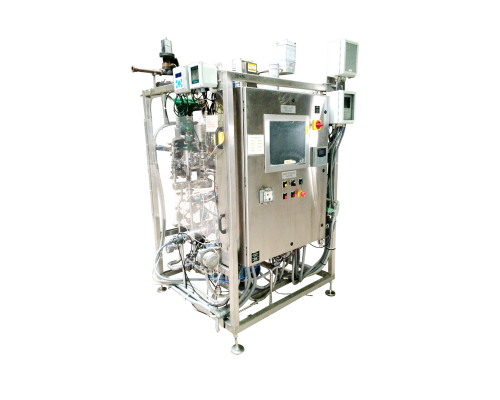
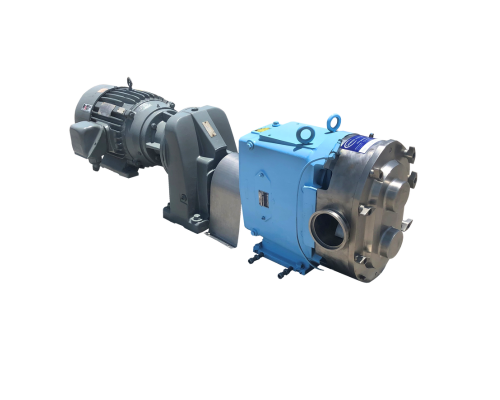
Image from Genemco
Link to Ozone Systems
Where Genemco Comes In
Genemco isn’t here to replace your long-term solution—we’re here to help you get there without disruption.
Supporting OEMs (and Making You the Hero)
If you’re an OEM working on a system for a customer, we respect that relationship.
We don’t want to take your sale. We want to support it.
If your customer is facing a long lead time, Genemco can step in with available equipment to help keep their operation running in the meantime.
Think of it as:
- A bridge solution while new equipment is being built
- A “bandaid” or “tourniquet” to stabilize operations
- A way to protect your customer’s process—and your project timeline
When your system is installed, you’re still the one who delivered the long-term answer. We just helped keep things moving until then.
Why Facilities Turn to Genemco
- Fast Access to Equipment: When delays aren’t acceptable
- Budget-Friendly Options: Ideal for interim or supplemental use
- Industrial Experience: Familiarity with complex processing environments
- Practical Solutions: Focused on keeping operations running—not just planning for the future
Final Thoughts
Water challenges in pulp, textile, and chemical processing aren’t simple—but they are solvable.
Ozone systems provide a way to tackle some of the toughest contaminants out there—removing color, breaking down complex compounds, and opening the door to water reuse.
And when timing becomes the biggest hurdle, having a partner like Genemco can make all the difference.
Because in the real world, success isn’t just about the final system—
it’s about keeping your operation moving every step of the way.


