

In meat and protein processing, “we'll get to it eventually” isn't really a production strategy.
When you're processing thousands of pounds of product, keeping the line moving matters. A delay in one part of the process can quickly create a problem somewhere else—and before long, everyone is standing around asking the same question:
“When are we going to be back up and running?”
Industrial heat tunnels can be an important part of the answer.
Used across a variety of meat and protein applications, heat tunnels provide controlled thermal processing for products moving continuously through a production line. Depending on the equipment and application, they can be used for cooking, heating, drying, pasteurizing, warming, setting, or other thermal-treatment processes.
For meat and protein processors, that controlled environment can help turn a complicated production process into something much more predictable.
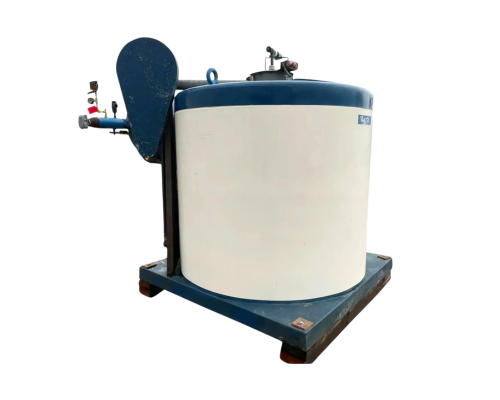
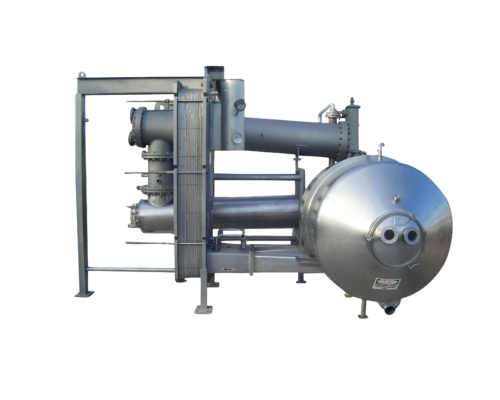
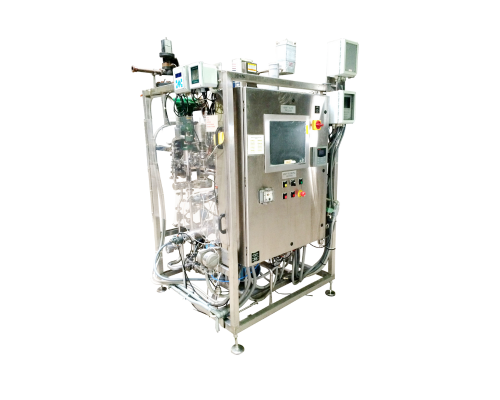
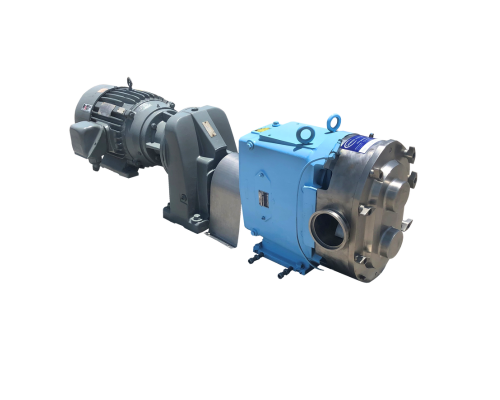
Image from Genemco
Link to Blanchers & Heat Tunnels
Where Do Heat Tunnels Fit in Meat & Protein Processing?
Meat and protein processing covers a lot of ground.
Beef, pork, poultry, seafood, processed meats, formed products, ready-to-eat foods, and other protein products can all require different combinations of preparation, cooking, thermal treatment, cooling, freezing, and packaging.
That means there isn't one universal heat-tunnel application.
Depending on the product and process, industrial heat tunnels can be used for:
- Cooking meat and protein products
- Heating prepared protein foods
- Pasteurization and thermal treatment
- Drying or moisture reduction
- Warming products before additional processing
- Setting or finishing products
- Supporting continuous production lines
- Preparing products for subsequent cooling, freezing, or packaging
The tunnel may be the primary thermal-processing system, or it may be one piece of a much larger production line.
Either way, its job is to provide controlled and repeatable heat where the process requires it.
Cooking Is Only Part of the Equation
When people think about thermal processing in meat production, cooking is usually the first thing that comes to mind.
And obviously, cooking matters.
But industrial heat tunnels can be involved in much more than simply getting a product from raw to cooked.
Thermal processing can affect product safety, texture, appearance, moisture, yield, and overall quality. For certain ready-to-eat meat and poultry products, validated time and temperature processes are particularly important because thermal processing is part of controlling food-safety hazards.
That means the process has to be carefully designed around the product.
Temperature matters.
So does time.
So does product thickness, product loading, airflow, conveyor speed, humidity, and the way heat is transferred throughout the tunnel.
The goal isn't simply to make the product hot.
The goal is to process it correctly and consistently.
Consistency Matters When You're Processing Protein
There is a big difference between cooking dinner at home and cooking thousands of pounds of product for customers.
At home, one chicken breast being a little more done than another probably isn't the end of the world.
On an industrial production line, consistency is part of the job.
A change in processing conditions can affect the finished product. That's why thermal-processing systems are designed around controlled operating parameters and carefully established processes.
For a processor, that consistency can help with everything from product quality to production planning.
The product goes in.
The thermal process does its job.
The product moves on to the next stage.
And ideally, the line keeps doing exactly what it was designed to do.
Heat Tunnels and Ready-to-Eat Protein Products
Ready-to-eat meat and protein products are a good example of where thermal processing becomes especially important.
Products such as cooked meats, deli products, sausages, prepared poultry, and other ready-to-eat protein foods may require controlled heating or cooking followed by cooling, packaging, refrigeration, or freezing.
For some applications, the thermal process needs to achieve a specific level of pathogen reduction while also producing the desired characteristics in the finished product.
That's a balancing act.
Too little processing can create safety and quality concerns.
Too much can negatively affect texture, moisture, yield, and overall product quality.
A properly designed and operated thermal-processing system helps manufacturers manage that balance.
Heat, Cooling & Refrigeration All Work Together
Here's where the industrial refrigeration side of the operation comes into play.
A meat-processing line doesn't end when the product leaves the heat tunnel.
Depending on the application, the product may need to be cooled rapidly before it can be packaged, refrigerated, or frozen.
That makes thermal-processing equipment and refrigeration equipment partners in the overall process.
The heat tunnel adds heat.
The cooling system takes it back out.
The refrigeration system maintains the temperatures required for storage and distribution.
It's a little like a relay race. Each part of the system has to hand the product off to the next stage without creating a bottleneck.
For a facility already running a sophisticated refrigeration and processing system, adding or replacing a heat tunnel means thinking about the entire process—not just the machine itself.
Choosing the Right Used Heat Tunnel
If you're shopping for a used heat tunnel for a meat or protein application, the first question shouldn't necessarily be:
“How much does it cost?”
A better question is:
“Will it work for our process?”
Important considerations can include:
- Product type
- Product size and thickness
- Required processing temperature
- Required residence time
- Production rate
- Conveyor width and speed
- Heating method
- Airflow and heat distribution
- Number of heating zones
- Available utilities
- Controls and instrumentation
- Floor space
- Existing upstream and downstream equipment
- Cooling and refrigeration requirements
A tunnel that works beautifully for one protein application may not be the right choice for another.
That's why application fit matters so much when evaluating used equipment.
Why Choose Genemco for Used Heat-Tunnel Equipment?
There are times when new equipment is the obvious choice.
There are also times when the production floor doesn't care how obvious that choice is—it needs equipment now.
Maybe an existing heat tunnel has gone down.
Maybe production has expanded.
Maybe a processor has taken on a new contract and needs additional capacity.
Or maybe a new equipment purchase is already underway, but the lead time is measured in months instead of days.
That's where used equipment can provide a practical alternative.
Genemco has been serving the industrial refrigeration and food processing industries since 1989. Our inventory includes used food-processing equipment and process tunnels, with available equipment changing regularly as machines come into inventory and are sold. (genemco.com)
One of the biggest advantages of used equipment is that it has already been built.
There isn't necessarily a manufacturing schedule standing between the customer and the equipment.
If the right machine is already in inventory and fits the application, it can potentially help shorten the timeline significantly compared with starting a new equipment order from scratch.
And for a processor dealing with an unexpected equipment problem, that can be a pretty big deal.
Image from Genemco
Link to Blanchers & Heat Tunnels
OEMs: Don't Let the Lead Time Become the Problem
If you're an OEM, we understand something:
You don't want someone stepping in and taking the sale you've worked hard to earn.
Neither do we.
If you've sold your customer a new heat tunnel or processing system, our goal isn't to replace it with used equipment.
Your customer bought from you because they trust you to provide the right long-term solution.
We want to help you keep that solution on track.
The tricky part is what happens in the meantime.
Maybe the customer needs the new equipment, but the lead time is longer than their production schedule can tolerate. They still have orders. They still have employees. They still have customers waiting on product.
And now you're stuck having a conversation you probably don't want to have:
“The new equipment is coming. We just need you to wait.”
Sometimes waiting isn't an option.
That's where Genemco can help.
A used heat tunnel can potentially serve as a temporary piece of equipment while the new system is being manufactured and delivered.
It's not the replacement for the equipment you sold.
It's the thing that helps your customer get from here to there.
Think of it as the industrial version of a bandaid—or, when the situation is serious enough, a tourniquet.
It doesn't have to be permanent to be valuable.
And when the new equipment arrives, your customer can move forward with the solution you originally sold them.
That's the part we care about.
We want to help you keep your customer producing without getting between you and the sale.
If anything, giving your customer an option during a difficult lead time can strengthen the relationship you've already built.
You get to be the OEM who didn't just sell them equipment—you helped them find a way to keep their operation running while they waited for it.
We'll handle the in-between.
Keep the Protein Line Moving
Meat and protein processing is an industry where downtime can get expensive quickly.
When a critical piece of thermal-processing equipment isn't available, the effects can reach far beyond that one machine.
Production slows.
Orders back up.
Schedules change.
And suddenly a lead time that looked manageable on paper becomes a very real problem on the plant floor.
Industrial heat tunnels can help processors maintain controlled, repeatable thermal processes across a wide range of applications.
And when a new system isn't available soon enough, quality used equipment may provide another way forward.
At Genemco, we've spent decades helping industrial food processors find equipment for real production environments.
Sometimes you need the new machine.
Sometimes you need something to keep things running until the new machine arrives.
Either way, the goal is the same: keep your operation moving.


