

When you grab a bottle of juice, a six-pack of drinks, or a packaged beverage off a store shelf, it's easy to forget how much has already happened before it got there.
The beverage was processed and filled. The container was labeled. The package was formed. Everything was inspected, packed, and prepared for shipping.
And somewhere along that line, there may have been a heat tunnel doing its job.
Industrial heat tunnels are used throughout beverage and packaging operations for applications ranging from shrink-sleeve labeling and shrink wrapping to warming, drying, and thermal treatment. In some beverage applications, tunnel pasteurization is also used as part of the preservation process.
The equipment may not be the most glamorous machine in the plant, but when it isn't working properly, people notice pretty quickly.
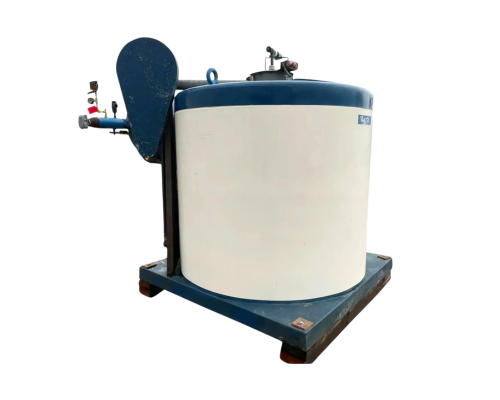
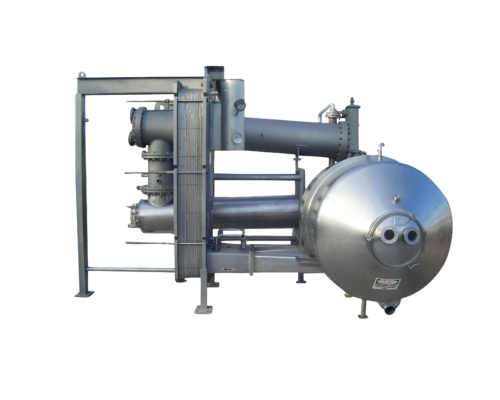
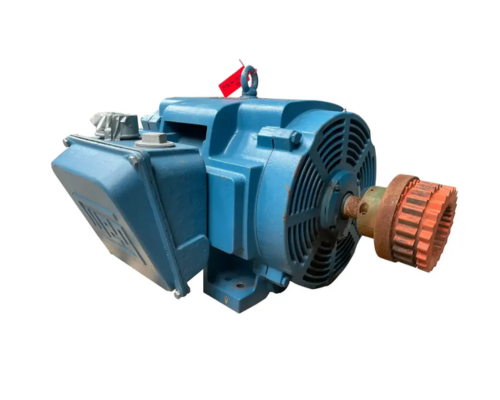
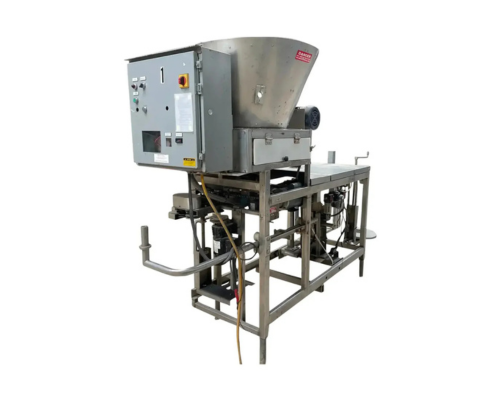
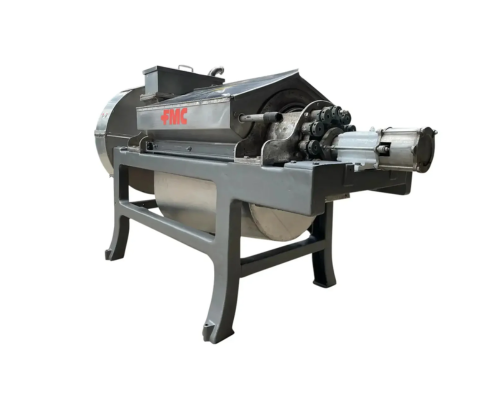
Image from Genemco
Link to Blanchers & Heat Tunnels
Where Do Heat Tunnels Fit Into Beverage Production?
Beverage production is a combination of process and packaging.
The beverage itself may need to be heated or pasteurized before or after filling, while the container may need to be labeled, dried, bundled, or packaged for distribution.
That's where different types of tunnel equipment can enter the picture.
Depending on the application, industrial heat tunnels may be used for:
- Shrink-sleeve labeling
- Shrink-wrapping bottles, cans, or other containers
- Tunnel pasteurization
- Warming packaged beverages
- Drying containers following processing or washing
- Supporting continuous packaging operations
- Applying controlled heat to packaging materials
- Preparing finished packages for handling and distribution
For example, beverage lines can use steam shrink tunnels to conform sleeve labels around bottles, while shrink tunnels can also heat film around multipacks so the packaging forms securely around the product.
In other words, “heat tunnel” doesn't necessarily mean you're cooking the product.
Sometimes you're heating the package around the product.
Shrink Tunnels: A Small Step With a Big Job
One of the most recognizable packaging applications is the shrink tunnel.
A product may enter the packaging machine covered in a loose film or fitted with a loose shrink sleeve. The package then travels through a controlled heat zone where the material shrinks around the container.
The result is a tighter, more finished package that's ready for the next stage of the line.
That sounds simple enough.
But anyone who has spent time around a high-speed packaging line knows that simple doesn't necessarily mean easy.
Heat distribution, airflow, tunnel temperature, conveyor speed, film characteristics, and package configuration can all affect the final result. Krones notes that precise temperature control and directed airflow are important to achieving consistent shrink quality and avoiding problems such as uneven film formation.
When you're running thousands of containers per hour, a small packaging problem doesn't stay small for very long.
Heat Tunnels and Sleeve Labeling
Shrink-sleeve labels are another common application.
A sleeve is placed around a bottle or container and then passes through a steam or heat tunnel. The heat causes the sleeve to conform to the shape of the container.
This can create a finished, full-body label around products ranging from beverages to dairy and other packaged goods. Modern beverage lines commonly integrate sleeve labelers with downstream steam shrink tunnels as part of continuous packaging operations.
For manufacturers, the goal is more than simply getting the sleeve to shrink.
It's getting it to shrink correctly, consistently, and at production speed.
A wrinkle here, a loose edge there, or an improperly positioned sleeve might not sound like a major problem until you're looking at an entire pallet of product.
Tunnel Pasteurization in Beverage Production
Not every beverage application involves packaging alone.
Heat tunnels can also play a role in thermal treatment.
Tunnel pasteurization is used in certain beverage applications to expose packaged products to controlled temperatures for a defined period. The relationship between temperature and residence time is important to achieving the desired thermal effect.
Beer is one familiar example. Tunnel pasteurizers can be incorporated into beverage lines to provide controlled thermal treatment after filling and packaging.
Other beverage products may instead use flash pasteurization or other processing methods, depending on the product and packaging system.
The takeaway is that there isn't one “beverage heat tunnel.”
The right equipment depends heavily on what you're making and what you're trying to accomplish.
Heat, Cooling & Drying: The Packaging Line's Handoff
Heat is often only one part of the equation.
Consider a hot-filled beverage.
After filling and the necessary thermal hold, the containers may need to be cooled before moving into labeling and secondary packaging. In juice-processing applications, for example, filled packages can be held at the appropriate temperature and then cooled through a cooling tunnel before being dried and sent toward labeling and secondary packaging.
That means a beverage line can involve a sequence that looks something like:
Fill → Heat/Treat → Hold → Cool → Dry → Label → Package
Every stage has a job.
And every stage has the potential to become the bottleneck if it can't keep pace with the equipment around it.
That's why thermal and packaging equipment needs to be considered as part of the overall line rather than as individual machines.
The Packaging Side of the Business
Heat tunnels aren't limited to beverages themselves.
They're also used to finish and stabilize packaging around products.
Depending on the operation, that might include:
- Bottled beverages
- Canned beverages
- Shrink-wrapped multipacks
- Tray-and-film packages
- Full-body shrink sleeves
- Dairy and milk beverages
- Juice and fruit drinks
- Sports and energy drinks
- Water and functional beverages
- Other packaged consumer products
Modern beverage lines can combine filling, labeling, shrink tunnels, packers, conveyors, and palletizing equipment into one continuous operation.
That means the heat tunnel has to keep up with everything before and after it.
If it can't, the entire line can feel it.
What Should You Look for in a Used Heat Tunnel?
If you're considering a used heat tunnel for a beverage or packaging application, the first step is understanding exactly what the tunnel needs to do.
Important considerations can include:
- Product or packaging type
- Bottle, can, tray, or container dimensions
- Film or sleeve material
- Required processing temperature
- Residence time
- Conveyor speed
- Production rate
- Tunnel length
- Heating method
- Steam, electrical, or other utility requirements
- Airflow and heat distribution
- Controls and instrumentation
- Existing packaging equipment
- Available floor space
- Upstream and downstream conveyor configuration
A tunnel that worked perfectly for one bottle or package isn't automatically the right tunnel for another.
The application matters.
The production rate matters.
And the way the equipment fits into the existing line matters.
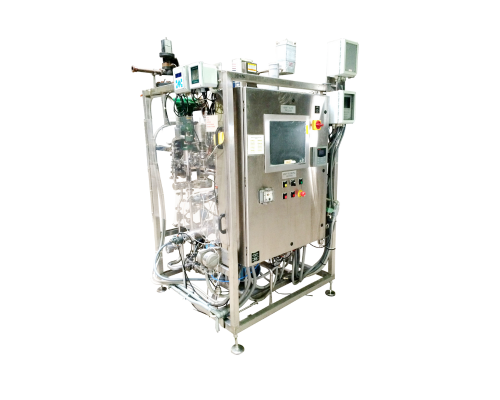
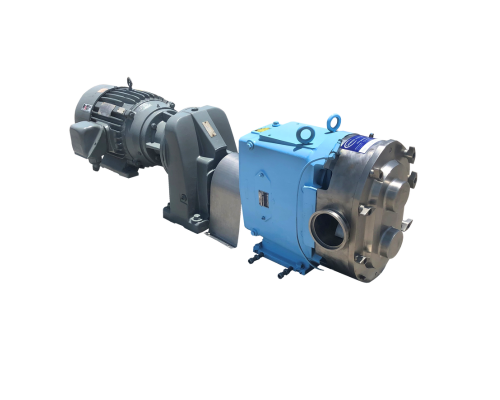
Image from Genemco
Link to Blanchers & Heat Tunnels
Why Consider Genemco for Used Heat-Tunnel Equipment?
There are times when a new packaging system is exactly what a project requires.
But sometimes the production schedule has other ideas.
Maybe you're expanding a beverage line. Maybe you're adding a new package format. Maybe a packaging tunnel has gone down. Or maybe you've already ordered new equipment, but the lead time is longer than your production schedule can comfortably handle.
That's where used equipment can offer another option.
Genemco has been serving the industrial refrigeration and food processing industries since 1989, with an inventory that includes used food-processing and tunnel equipment. Available equipment changes regularly as machines come into inventory and are sold.
One of the biggest benefits of used equipment is straightforward:
The machine already exists.
Instead of waiting for a new machine to be manufactured, a used tunnel may already be available for evaluation and purchase.
That can be particularly valuable when the equipment is needed to maintain production, add temporary capacity, or bridge the gap while a new system is being built.
And because every packaging line is different, the goal isn't simply to find a heat tunnel.
It's to find one that makes sense for your line.
OEMs: We Don't Want to Be the Reason You Lose the Customer
If you're an OEM, you probably don't need another company telling you how important your customer relationships are.
You already know.
You've spent time understanding the application, engineering the system, answering questions, working through the details, and ultimately earning the sale.
We don't want to take that away from you.
If you've sold your customer a new heat tunnel, packaging system, pasteurizer, or other equipment, we want you to remain the person they trust to deliver that long-term solution.
The problem is what happens when the customer needs something before your equipment is ready.
That's where things can get uncomfortable.
Your customer may be looking at a long lead time while production keeps moving forward. They don't necessarily want to change their plans—they just need something to get them through the waiting period.
That's where Genemco can help.
Instead of asking your customer to choose between waiting and struggling, you can offer a temporary option.
A quality used heat tunnel may be able to keep their line operating while their new equipment is being manufactured.
It's not competing with the equipment you sold.
It's helping your customer survive the wait for it.
Think of it as a bandaid.
And if the situation is serious enough, maybe it's the tourniquet.
The point isn't for the temporary equipment to become the permanent solution.
The point is to keep production moving until the permanent solution arrives.
And there's something valuable about being the OEM who can say:
“I know the new equipment isn't here yet. Let's find a way to keep you running until it is.”
That's the kind of support customers remember.
We'll help with the temporary solution.
You get to deliver the long-term one.
Everybody keeps moving.
Because Packaging Doesn't Wait
A beverage line doesn't care that a replacement part is on a long lead time.
A packaging schedule doesn't care that a new machine is still being built.
And a customer waiting for product definitely doesn't care.
Production keeps moving—or it doesn't.
Industrial heat tunnels may be just one part of the beverage and packaging process, but they're an important part when they're responsible for thermal treatment, shrink packaging, labeling, or finishing at production speed.
When the right new equipment isn't available on the right timeline, used equipment can provide another path forward.
At Genemco, we're here to help manufacturers find that path.
Quality used equipment. In stock. Ready to ship. And ready to help keep the line moving.


