

Fresh fruits and vegetables have a pretty short window between “just harvested” and “we need to do something with these.”
Once produce arrives at a processing facility, the clock is already running. It needs to be washed, sorted, cut, treated, cooled, frozen, packaged, canned, or otherwise processed—and all of those steps need to work together.
Industrial heat tunnels can play an important role in that process.
While blanchers are commonly associated with fruits and vegetables, heat tunnels offer a broader range of thermal-processing capabilities. Depending on the application, they can be used for heating, cooking, drying, warming, pasteurizing, or other controlled temperature treatments.
For a food processor, that can mean another important piece of equipment helping turn fresh produce into a consistent, market-ready product.
From the Field to the Processing Line
A carrot pulled from the ground and a bag of frozen carrots at the grocery store may have very little in common by the time the processing is finished.
In between, that carrot may have been washed, sorted, trimmed, cut, blanched, cooled, frozen, packaged, and stored.
The same goes for peas, corn, green beans, broccoli, cauliflower, spinach, potatoes, berries, and countless other fruits and vegetables.
Heat tunnels can be incorporated into these processing lines wherever controlled thermal treatment is needed.
Depending on the product and process, a heat tunnel may be used to:
- Heat or cook fruits and vegetables
- Pasteurize products
- Dry or set products
- Warm produce before another processing step
- Provide controlled thermal treatment before freezing
- Support continuous processing of high-volume products
- Prepare products for subsequent cooling, packaging, or storage
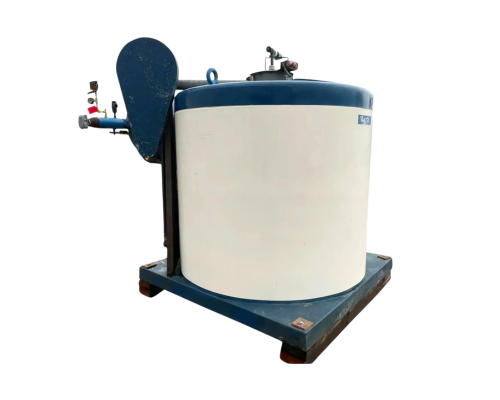
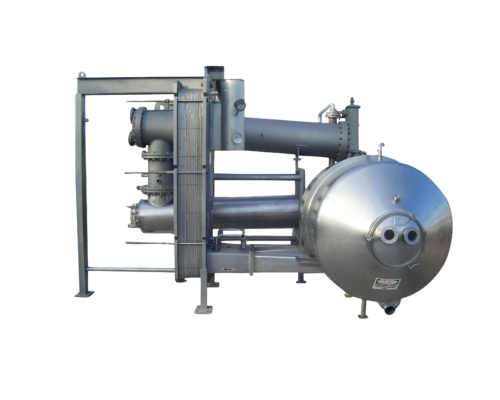
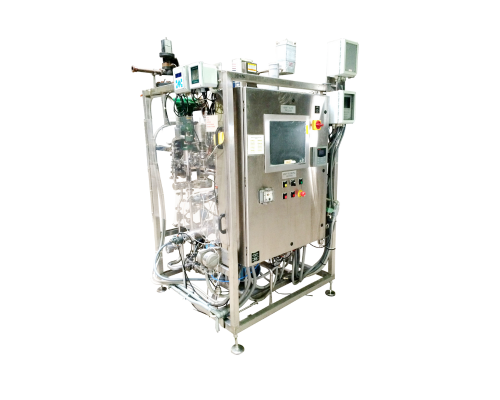
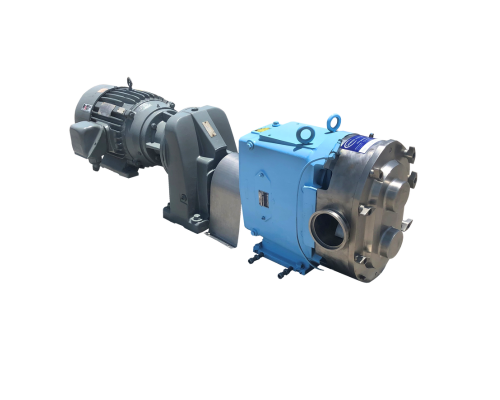
Genemco's used equipment inventory includes blanchers, tunnel ovens, steam tunnels, and other process equipment used for heating and thermal treatment of food products.
The exact application determines which type of tunnel makes sense.
Why Heat Matters in Fruit & Vegetable Processing
Heat can do a lot more than simply make a product hotter.
In fruit and vegetable processing, controlled heat may be used to help inactivate enzymes, soften produce, remove raw flavors, drive out gases, improve processing characteristics, or prepare a product for another preservation method.
That's one reason thermal processing is so closely tied to other steps in the production line.
For example, a vegetable may be blanched before freezing. Another product might undergo heating before being cooled and packaged. A prepared fruit or vegetable product may require pasteurization as part of its process.
The important word is controlled.
Food processors aren't simply trying to heat the product. They're trying to heat it in a predictable way, for the right amount of time, while maintaining the characteristics they're looking for.
Heat Tunnels Can Help Prepare Produce for Freezing
Frozen fruits and vegetables are one of the most familiar applications.
Before produce reaches an IQF freezer or another freezing system, it may need to go through several preparation steps. Blanching is commonly used for vegetables because freezing alone does not stop enzyme activity completely. A controlled heat treatment can help address that before the product enters the freezing process.
Once that thermal treatment is complete, cooling becomes equally important.
It's essentially a handoff:
Heat → Cool → Freeze
Each stage needs to do its job so the next stage can do its job properly.
Industrial cooling tunnels can rapidly reduce product temperature after heat-based processes, while freezing systems then take the product down to the temperatures needed for frozen storage.
And in a high-volume plant, keeping that handoff moving smoothly matters.
Image from Genemco
Link to Blanchers & Heat Tunnels
Heat Tunnels for Processed and Packaged Produce
Not all fruit and vegetable processing ends with a bag of frozen vegetables.
Produce can also become canned vegetables, sauces, salsas, prepared sides, fruit products, juices, jams, fillings, and other processed foods.
In those applications, thermal tunnels may be used for heating, pasteurizing, warming, or cooling depending on the product and packaging.
For example, tunnel systems can provide controlled heating or pasteurization of packaged foods, followed by controlled cooling to bring the product to the appropriate temperature for handling and storage.
That makes tunnels particularly useful for processors who need continuous movement rather than a series of individual batch treatments.
And continuous processing can be a big deal when you're handling truckloads of produce instead of a few baskets from the farmers market.
Common Fruit & Vegetable Applications
There are countless ways thermal processing equipment can fit into a fruit and vegetable operation.
Some common products include:
- Green beans
- Peas
- Corn
- Carrots
- Broccoli
- Cauliflower
- Spinach and leafy vegetables
- Potatoes
- Mixed vegetables
- Berries
- Diced or sliced fruits
- Prepared fruit products
- Vegetable-based sauces
- Salsas
- Juices
- Canned fruits and vegetables
- Frozen fruits and vegetables
The equipment required can vary significantly from one application to another.
A system designed for a delicate fruit product may have very different requirements from one processing large volumes of dense vegetables.
That's why the product and process should come first when selecting equipment.
It's Not Just About Temperature
When you're evaluating a heat tunnel for fruit and vegetable processing, temperature is obviously important—but it isn't the only consideration.
Production teams also need to think about:
- Product characteristics
- Required processing temperature
- Residence time
- Conveyor speed
- Belt width
- Production capacity
- Heating method
- Number of processing zones
- Steam, gas, electrical, water, or other utility requirements
- Controls and instrumentation
- Existing line configuration
- Available floor space
- What equipment comes before and after the tunnel
The goal isn't simply to find a tunnel that gets hot.
It's to find equipment that fits the process.
That distinction can be the difference between equipment that looks good on paper and equipment that actually works on the production floor.
Why Consider Used Heat Tunnels from Genemco?
There are plenty of situations where buying new equipment makes sense.
But there are also plenty of situations where waiting for new equipment simply isn't practical.
Maybe a processor is expanding capacity because the latest harvest was bigger than expected. Maybe an existing system needs to be replaced. Maybe production demand has increased. Or maybe a piece of equipment went down and suddenly the timeline has gone from “sometime this year” to “we needed it yesterday.”
That's where used equipment can become a very practical option.
Genemco has been serving the industrial refrigeration and food processing industries since 1989, with an inventory that includes used food-processing equipment and process tunnels.
One of the biggest advantages of used equipment is availability.
The equipment has already been manufactured. It isn't waiting for a production slot at a factory. Depending on the equipment and application, it may already be available for evaluation, purchase, and shipment.
For a food processor trying to keep a production schedule on track, that can make a meaningful difference.
And because every application is different, the goal shouldn't simply be finding the cheapest used tunnel available. It should be finding a piece of equipment that makes sense for the product, production rate, utilities, and existing line.
Image from Genemco
Link to Blanchers & Heat Tunnels
OEMs: We Don't Want to Get Between You and Your Customer
If you're an OEM, here's where we want to make something very clear:
We don't want to take your sale.
If you've sold your customer a new heat tunnel, blancher, pasteurizer, or another piece of processing equipment, we aren't trying to replace that equipment with something used.
You made the sale for a reason.
You know the application. You've engineered the solution. You've worked with the customer. And you've earned the relationship.
We want to help you keep that relationship strong.
The problem is that sometimes the customer's production schedule doesn't care about the new equipment's lead time.
They may have orders to fill. They may have a harvest to process. They may have a plant that simply can't sit idle for months waiting on a new machine.
That's where Genemco can be useful.
Instead of your customer feeling like their only option is to wait, you can point them toward another possibility: use a quality used piece of equipment to keep things moving while the new equipment is being built.
Think of it as the temporary support that gets them from here to there.
Maybe it's the bandaid.
Maybe it's the tourniquet.
Either way, the purpose is the same: keep the operation running until the long-term solution is ready.
And when that new equipment arrives, your customer still gets the equipment they purchased from you.
You don't lose the sale.
You don't lose the customer relationship.
And, perhaps most importantly, you get to be the OEM who helped them find a way through a difficult situation instead of simply telling them they have to wait.
That's the kind of hero we want to help you be.
Keeping Produce Moving
Fruit and vegetable processing is a race against time.
The raw product arrives when it arrives, production schedules have to be met, and customers aren't particularly interested in hearing that a piece of equipment is on backorder.
Heat tunnels can be an important part of keeping that process organized and consistent, whether they're being used for heating, cooking, drying, pasteurizing, or preparing products for cooling and freezing.
And when a new machine isn't available soon enough, used equipment can give processors another option.
At Genemco, we're here to help you find that option.
Because sometimes you need the perfect long-term solution.
And sometimes you need something that can keep the line moving until the perfect solution gets there.
That's where quality used equipment can make a difference.


