

In chemical manufacturing, consistency is everything.
A product that performs exactly as expected in one batch must perform the same way in the next. Whether it's an adhesive used in a manufacturing process, a polymer used in a finished product, or a specialty chemical designed for a specific application, small variations in temperature, viscosity, or processing conditions can have a major impact.
Unlike many fluids that flow easily through traditional heat exchangers, many industrial chemicals become thick, sticky, or temperature-sensitive during processing. They may require precise heating, controlled cooling, or continuous movement to achieve the desired properties.
That's where Votators®, also known as scraped surface heat exchangers (SSHEs), provide a unique advantage.
Originally recognized throughout the food industry, scraped surface heat exchangers have become valuable tools across industrial processing applications because they are designed to handle some of the most challenging products—materials that are too viscous, prone to fouling, or difficult to process using conventional heat transfer equipment.
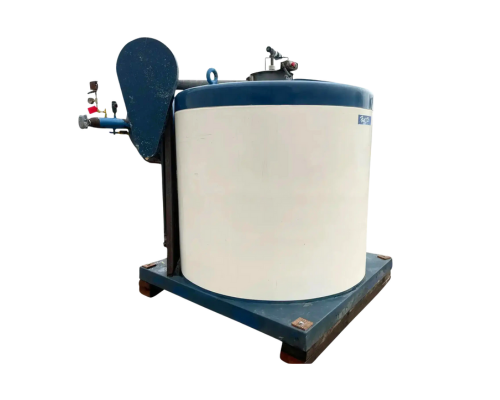
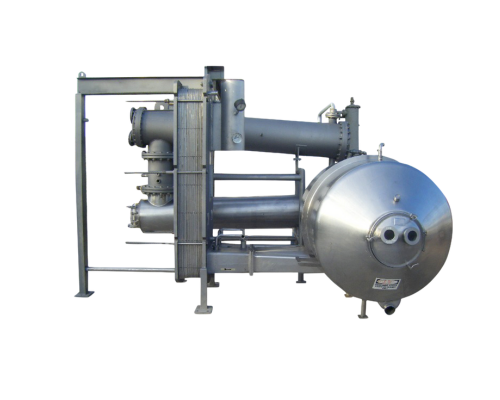
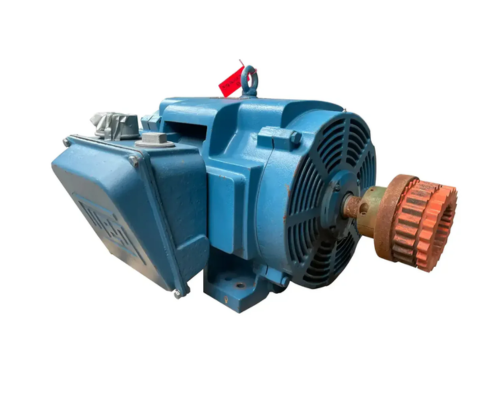
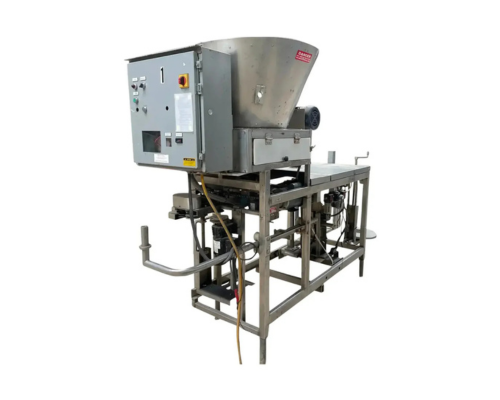
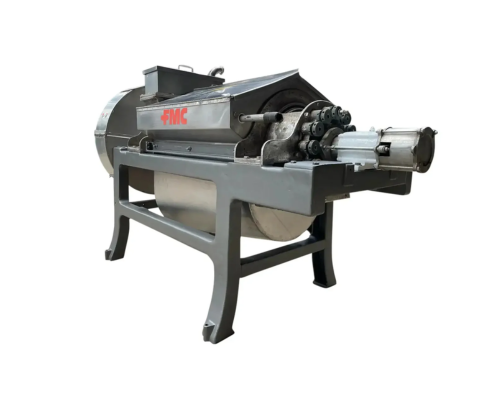
Image from Genemco
Link to Votators & Scraped Surface Heat Exchangers
Why Chemical Processing Requires Specialized Heat Transfer Solutions
Chemical manufacturers work with a wide range of materials, and many of them don't behave like simple liquids.
Some products become increasingly viscous as they cool.
Others require precise temperature control to achieve the right molecular structure or physical properties.
Some materials can quickly build up on heat transfer surfaces, reducing efficiency and creating processing challenges.
Traditional heat exchangers can struggle with these applications because product buildup can reduce heat transfer performance and create inconsistent processing conditions.
Scraped surface heat exchangers address these challenges by continuously moving product across the heat transfer surface.
Inside the equipment, rotating scraper blades gently remove material from the heated or cooled wall while maintaining product movement and mixing. This helps prevent buildup while allowing manufacturers to process thicker, more demanding materials with greater consistency.
How Scraped Surface Heat Exchangers Work in Chemical Manufacturing
A scraped surface heat exchanger does more than transfer heat—it helps manage the relationship between temperature, viscosity, and product quality.
The continuous scraping action provides:
- Improved heat transfer efficiency
- Reduced product buildup
- More consistent temperatures
- Better handling of high-viscosity materials
- Reduced risk of scorching or degradation
- Improved process control
For chemical manufacturers, this can mean fewer interruptions, more predictable production runs, and better control over the characteristics of the final product.
Chemical Applications for Votators & Scraped Surface Heat Exchangers
Industrial processors use scraped surface heat exchangers for a variety of demanding applications, including:
- Adhesives
- Resins
- Specialty chemicals
- Polymers
- Waxes
- Industrial lubricants
While each material serves a different purpose, many share common processing challenges: high viscosity, sensitivity to temperature changes, and the need for consistent product characteristics.
Adhesives
Adhesives are used in countless industries, from packaging and construction to automotive and manufacturing.
Many adhesive formulations are thick and require careful temperature control to maintain the correct flow characteristics.
If an adhesive becomes too cold, it may become difficult to pump or apply. If it becomes too hot, its chemical properties may change.
Scraped surface heat exchangers help maintain consistent temperatures while reducing buildup, allowing manufacturers to process adhesives more efficiently and reliably.
Resins
Resins are used in everything from coatings and composites to manufacturing components.
During processing, resins often require precise temperature management to achieve the desired viscosity and performance characteristics.
Scraped surface heat exchangers help manufacturers carefully control heating and cooling cycles while minimizing the risk of uneven processing or material buildup.
Specialty Chemicals
Specialty chemicals are often produced for very specific applications where consistency and performance are critical.
These products may require tight processing parameters and careful handling to maintain their intended properties.
Scraped surface heat exchangers provide manufacturers with greater control over temperature-sensitive materials while supporting repeatable production results.
Polymers
Polymer processing presents unique challenges because viscosity can change significantly depending on temperature.
As polymers become thicker, traditional heat transfer equipment can experience reduced efficiency due to product buildup.
Scraped surface heat exchangers help maintain product movement and improve heat transfer performance, making them well suited for applications where consistent temperature control is essential.
Waxes
Waxes are another example of materials that require careful temperature management.
Cooling too quickly or unevenly can impact crystal formation, hardness, and final product performance.
Scraped surface heat exchangers help control cooling rates and encourage more consistent results across production batches.
Industrial Lubricants
Lubricants often contain specialized additives and formulations designed to perform under demanding conditions.
Maintaining proper viscosity and consistency during processing is essential.
Scraped surface heat exchangers help manufacturers manage temperature changes while reducing the risk of separation or inconsistent product characteristics.
The Benefits of Better Process Control
For chemical manufacturers, process reliability directly impacts productivity.
A scraped surface heat exchanger can help provide:
- Improved handling of high-viscosity materials
- More consistent product quality
- Reduced fouling and cleaning requirements
- Better temperature control
- Increased production reliability
- Longer operating cycles
- Reduced risk of product waste
When production schedules are tight and customer expectations are high, reliable equipment becomes a competitive advantage.
When Equipment Lead Times Create Real Production Challenges
Manufacturing doesn't stop because equipment does.
A chemical processor may have customer orders scheduled, raw materials committed, and production goals that cannot simply be pushed back.
But replacing specialized equipment can take time.
Long lead times for new equipment can create difficult decisions:
Do you wait months for a replacement?
Do you slow production?
Do you risk missing customer commitments?
Sometimes the best solution is not a permanent replacement right away—it is a dependable temporary solution that keeps the process moving.
Helping OEMs Protect the Sale and Strengthen the Relationship
At Genemco, we understand the importance of OEM partnerships.
If you've worked with a customer to provide a new scraped surface heat exchanger, we don't want to take that sale from you.
Your customer chose you because they trust your expertise.
Our role is to help you maintain that trust when timing becomes a challenge.
When a new equipment purchase comes with a longer lead time than your customer's operation can tolerate, Genemco can provide a quality pre-owned scraped surface heat exchanger to help bridge the gap.
Think of it as a strategic backup plan.
A temporary solution that keeps production running while the permanent equipment is being built.
Instead of your customer facing months of downtime, you can provide a path forward.
You remain the trusted partner.
The new equipment order stays on track.
And you become the person who found the solution when your customer needed it most.
Because sometimes being the hero isn't about delivering the final piece of equipment first—it's about making sure your customer's operation never has to stop waiting.
Why Chemical Manufacturers Choose Genemco
For more than 37 years, Genemco has helped industrial processors find reliable pre-owned equipment solutions for demanding applications.
We understand that equipment availability matters, especially when production schedules depend on it.
When you work with Genemco, you benefit from:
- A large inventory of quality pre-owned processing equipment
- Faster access compared to many new equipment lead times
- Industry experience across food, chemical, and industrial processing applications
- Equipment sourcing expertise for hard-to-find machinery
- Worldwide shipping capabilities
- A knowledgeable team focused on helping reduce downtime
- A family-owned company committed to long-term customer relationships
Whether you are replacing failed equipment, expanding production capacity, or looking for a temporary solution while waiting for new machinery, Genemco is ready to help.
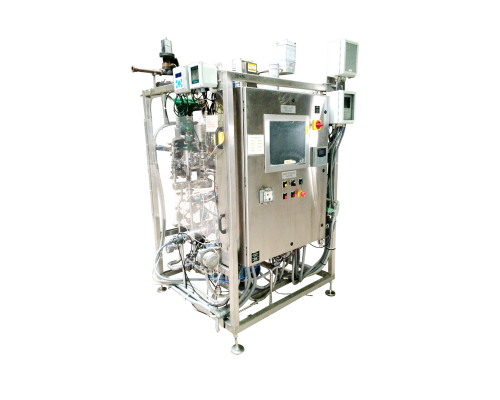
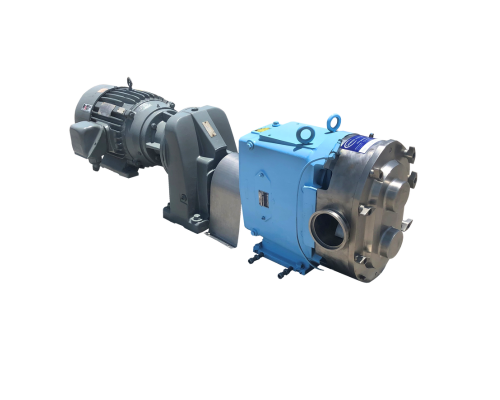
Image from Genemco
Link to Votators & Scraped Surface Heat Exchangers
Reliable Equipment for Challenging Applications
From adhesives and polymers to specialty chemicals and industrial lubricants, manufacturers rely on precise processing conditions to create products that perform exactly as intended.
Votators and scraped surface heat exchangers provide the control and reliability needed for some of the industry's most challenging applications.
And when unexpected challenges arise—whether you're a chemical processor facing downtime or an OEM supporting a customer through a long equipment lead time—Genemco is here to help keep production moving.
Because in manufacturing, the right solution isn't always the one that arrives last.
Sometimes it's the one that keeps everything running until it does.


