
Cappers & Cap Tighteners
- FAQs


- ←
- →
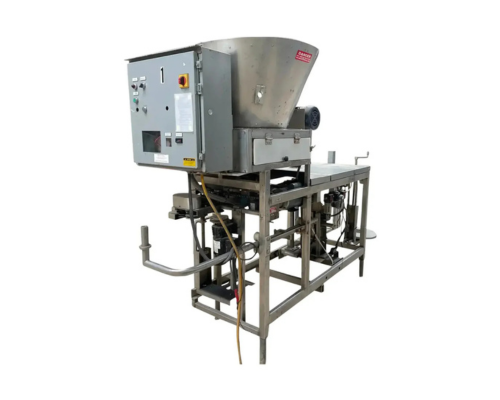
Cap feeders sort and orient loose caps, delivering them in the correct position to the capping machine. The capping machine then picks up each cap and applies it securely to the container, completing the sealing process efficiently and consistently.
A reliable cap feeder keeps caps moving smoothly to the capping machine. This prevents jams, reduces downtime, and ensures every container receives its cap correctly, maintaining production efficiency.
Vibratory bowl feeders use vibration to move and orient caps. Centrifugal feeders spin caps to the edge for sorting. Vertical elevator feeders lift and position caps for the capping machine. Each type is designed to keep caps flowing reliably.
Spindle cappers rotate caps into place, while chuck cappers grip and torque caps onto containers. Some machines are specialized for snap-on, child-resistant, or tamper-evident closures, depending on the product requirements.
Consider your cap type, container shape, and production speed. Ensure the feeder and capping machine are compatible and can handle the required throughput. Ease of changeover, cleaning, and durability are also key factors for efficient operation.
The feeder needs a hopper to hold caps and should be aligned precisely with the capping machine. The conveyor line must match the capping timing so containers arrive correctly. Proper alignment and spacing help prevent jams and ensure smooth operation.
Routine maintenance includes cleaning the hopper, feeder, and chute, inspecting motors and belts, and checking sensors and grippers. Periodic calibration ensures consistent cap placement and torque.
Effective systems have sensors to detect missing or misaligned caps and stop the machine if a problem occurs. Adjustable torque and durable materials help prevent under-tightening or over-tightening while maintaining long-term reliability.
A fully integrated system improves throughput, reduces labor, minimizes errors, and ensures every container is capped consistently. Proper integration increases efficiency, reduces downtime, and delivers dependable performance.


