
Gravity Fillers
- FAQs


- ←
- →
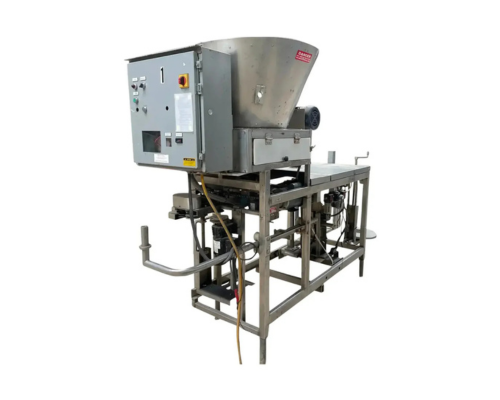
A gravity filler moves liquid from a reservoir into containers using the natural force of gravity. Liquid flows down into bottles, jars, or other vessels, and stops automatically when a sensor or mechanical stop detects the fill level. This method provides consistent, controlled filling without complex mechanisms.
Gravity fillers are simple, cost-effective, and gentle on products. With fewer moving parts, they require less maintenance and are ideal for thin, low-viscosity liquids like water, juice, or light beverages. Their straightforward design ensures reliable performance over long production runs.
You’ll often find them in food and beverage production, cosmetics, and small to medium-scale labs or manufacturing setups. They work especially well with liquids that need minimal turbulence, such as water, juice, beer, and liquid soap.
Accuracy depends on factors like reservoir height, filler design, liquid characteristics, and sensor calibration. When set up correctly, gravity fillers deliver repeatable fills with minimal waste, providing reliable results for production lines.
A stable, elevated reservoir ensures consistent head pressure. Mount the filler on a level surface to avoid uneven fills, and align sensors or stops with container heights. Plan electrical wiring, air supply if applicable, and ensure adequate height clearance for smooth operation.
Maintenance is straightforward. Regularly clean the reservoir, valves, and nozzles to prevent buildup. Inspect sensors or stops for alignment and wear, and check air or pneumatic lines for leaks. Routine care keeps the system running smoothly and accurately.
Consider the liquid’s viscosity and flow, container size and shape, target fill volume, and production speed. Look at cleaning requirements, material compatibility, and how the filler fits with upstream or downstream equipment to ensure smooth integration.
Gravity fillers are cost-effective, low-maintenance, and gentle on delicate liquids. Unlike more complex systems, they avoid product shear or stress, making them ideal when maintaining product integrity and simplicity of operation are priorities.


