

Walk into almost any modern dairy processing plant and you’ll find one piece of equipment quietly doing some of the most important work in the facility: the HTST pasteurization system.
From the milk in a breakfast cereal bowl to the cream used in a local coffee shop, dairy products must meet strict safety standards before they ever reach consumers. HTST pasteurization systems make that possible—while also allowing dairy plants to run efficiently at industrial scale.
For dairy processors and plant managers, these systems are more than just a regulatory requirement. They’re a critical link between food safety, product quality, and production uptime.
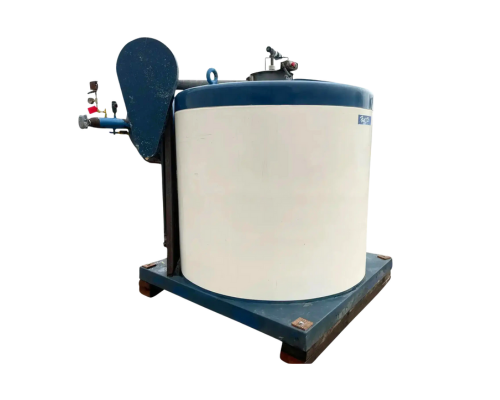
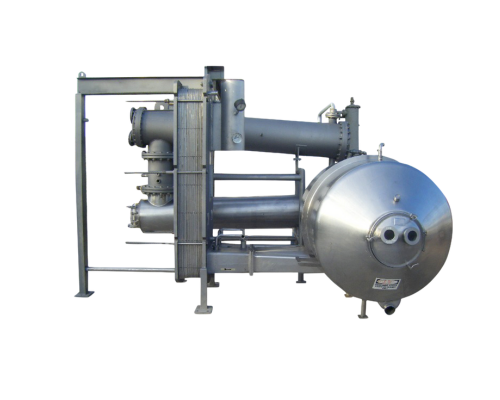
Image from Genemco
Link to HTST Pasteurization Systems
What Is an HTST Pasteurization System?
HTST stands for High-Temperature Short-Time, a pasteurization method designed to eliminate harmful microorganisms in liquid foods while preserving taste, nutritional value, and product integrity.
In dairy processing, milk is typically heated to 161°F (72°C) for at least 15 seconds and then rapidly cooled. The short exposure to high heat destroys pathogens such as those responsible for foodborne illness, while preventing the “cooked” flavor that longer heating methods can create.
Industrial HTST systems are continuous-flow processes that move product through several key components, including:
-
Balance tanks
-
Plate heat exchangers
-
Timing pumps
-
Holding tubes
-
Temperature monitoring and safety controls
-
Rapid cooling sections
The result is a highly efficient system capable of processing thousands of gallons per hour, making it the backbone of large-scale dairy production.
Where HTST Systems Fit in the Dairy Process
In a dairy plant, HTST systems typically sit right at the center of the processing line.
Raw milk arrives at the facility and is first clarified and standardized, adjusting fat content depending on the final product. From there, it enters the HTST pasteurizer where the critical safety step takes place.
Once pasteurized, the milk can move on to several different product lines, such as:
-
Fluid milk (whole, 2%, skim)
-
Cream and half-and-half
-
Ice cream mix
-
Yogurt bases
-
Flavored dairy beverages
-
Dairy ingredients used in food manufacturing
Because these systems run continuously, they allow dairy plants to maintain steady production with consistent safety controls, which is essential in facilities that often operate around the clock.
Why Reliability Matters in Dairy Processing
In the dairy industry, downtime is more than inconvenient—it can quickly become expensive.
Milk is a perishable raw material, and when processing equipment stops unexpectedly, processors may be forced to dump product or scramble to find temporary solutions. Production schedules tighten, deliveries get delayed, and plant managers suddenly have a lot of problems to solve.
That’s why access to dependable equipment—and reliable backup options—can make a major difference.
This is where Genemco becomes a valuable partner for dairy processors.
Keeping Dairy Plants Running When Equipment Isn’t Available
In recent years, lead times for new processing equipment have stretched longer than many facilities would like. Waiting months for a new pasteurization system isn’t always feasible when milk deliveries continue arriving every day.
Genemco helps dairy processors bridge that gap by providing quality used and reconditioned processing equipment, including HTST pasteurization systems1 and related components.
For many plants, this equipment serves as a practical solution when they need to:
-
Replace a failed system quickly
-
Add temporary processing capacity
-
Maintain production while waiting on new equipment
-
Manage budgets without sacrificing reliability
Sometimes the solution doesn’t have to be permanent—it just needs to keep the line moving.
You could think of it as a bandaid… or even a tourniquet for production. The goal is simple: keep the plant operating until the long-term solution is in place.
Supporting OEMs, Not Competing With Them
Genemco also works closely with equipment manufacturers and OEM partners throughout the industry.
If you’re an OEM working with a customer who needs a new HTST system but is facing an extended lead time, the last thing anyone wants is for that customer to lose production while waiting.
That’s where Genemco can help.
Rather than stepping in to replace the OEM sale, Genemco can provide temporary equipment to support the customer in the interim. The customer keeps running, production continues, and when the new equipment finally arrives, the OEM still delivers the long-term solution.
In other words, you remain the hero of the story.
Genemco simply helps make sure the customer gets there without shutting down operations.
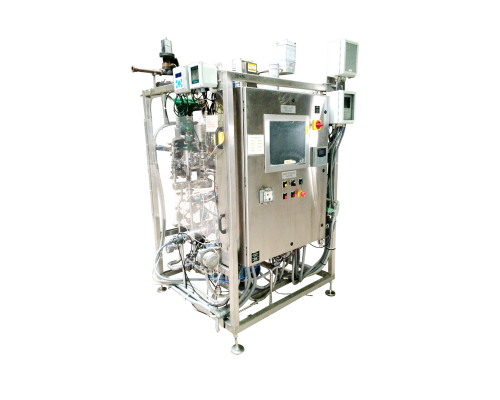
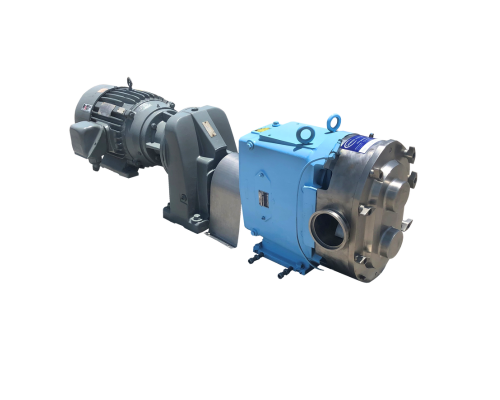
Image from Genemco
Link to HTST Pasteurization Systems
A Practical Partner for Dairy Processors
Anyone who has spent time in a dairy plant knows that things don’t always go exactly according to plan. Pumps fail, heat exchangers wear out, and production demands shift quickly.
Having access to dependable equipment sources like Genemco gives plant operators another layer of flexibility when challenges arise.
Because at the end of the day, dairy processing comes down to a few essential priorities:
-
Keep the product safe
-
Keep the equipment running
-
Keep the milk moving through the plant
And sometimes, the right solution is simply having a trusted partner who can help when you need it most.


