

Consumers expect their favorite juices and beverages to taste fresh, look vibrant, and—most importantly—be safe to drink. Behind the scenes, beverage manufacturers rely on precise processing systems to make that happen at scale. One of the most widely used technologies for achieving this balance is the HTST pasteurization system.
From fruit juices and smoothies to plant-based beverages and specialty drinks, HTST pasteurization plays a vital role in helping producers maintain product quality while meeting strict food safety standards.
For beverage manufacturers operating high-speed production lines, these systems are an essential part of keeping products flowing from processing to packaging.
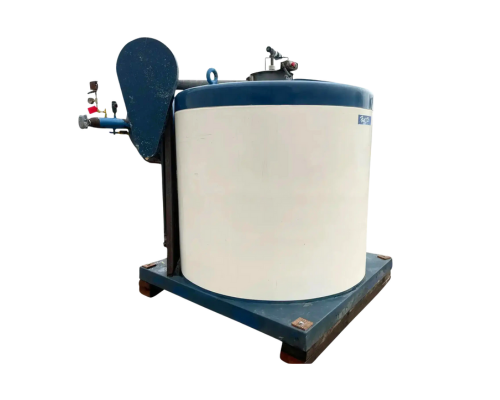
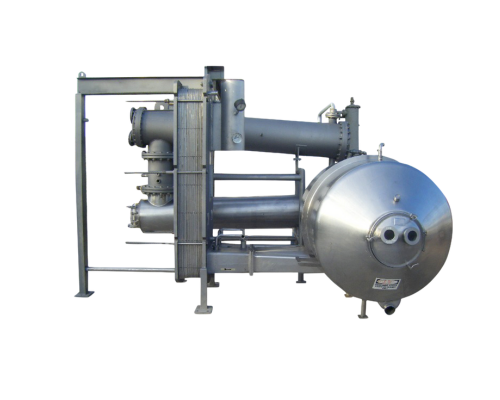
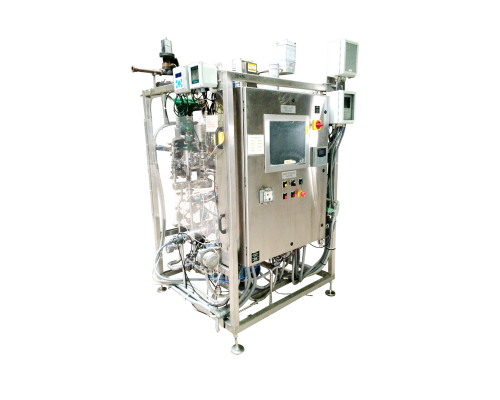
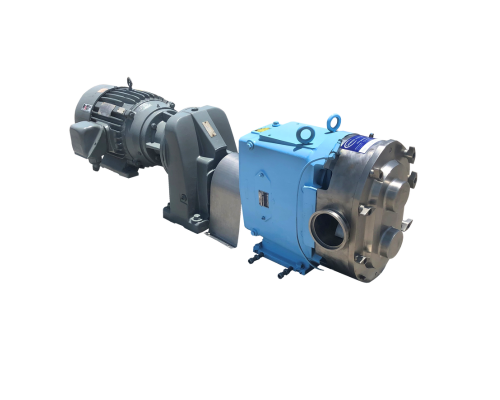
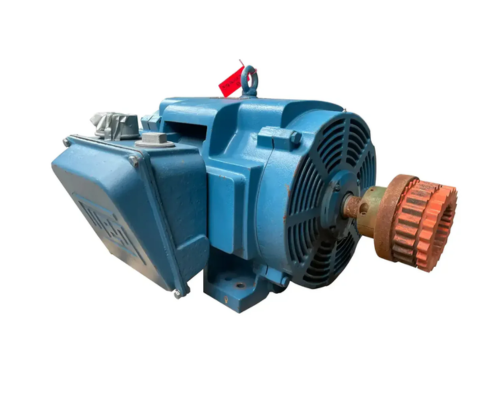
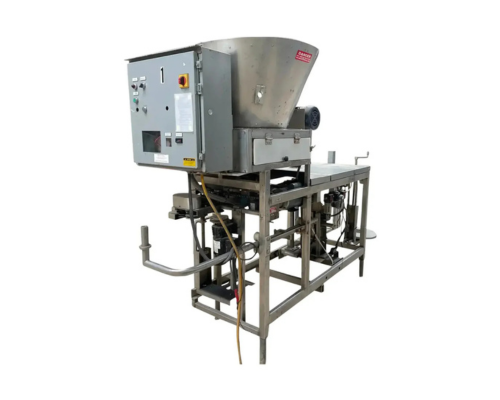
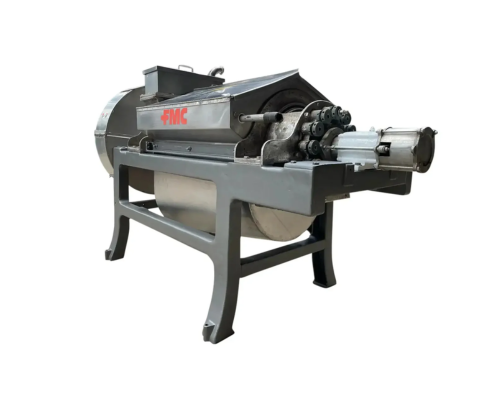
Image from Genemco
Link to HTST Pasteurization Systems
What Is an HTST Pasteurization System?
HTST stands for High-Temperature Short-Time, a pasteurization method designed to eliminate harmful microorganisms in liquid foods and beverages without compromising taste or nutritional value.
The process works by quickly heating a liquid product to a controlled temperature for a brief period of time and then rapidly cooling it. This thermal treatment destroys pathogens and spoilage organisms while maintaining the flavor and color consumers expect.
An industrial HTST pasteurization system typically includes:
-
Plate heat exchangers
-
Product balance tanks
-
Timing pumps and flow controls
-
Holding tubes that ensure proper pasteurization time
-
Temperature sensors and automated safety systems
-
Cooling sections for rapid temperature reduction
Unlike batch processing, HTST systems operate in a continuous flow, making them ideal for beverage manufacturers that process large volumes of product throughout the day.
How HTST Systems Are Used in Juice and Beverage Production
In juice and beverage processing facilities, pasteurization is a critical step that occurs before packaging. The goal is to ensure microbial stability while preserving the product’s natural flavor profile.
HTST systems are commonly used for products such as:
-
Fruit juices (orange, apple, grape, and blends)
-
Vegetable juices
-
Smoothie bases and fruit purees
-
Functional beverages and wellness drinks
-
Plant-based milks and alternative beverages
-
Ready-to-drink teas and specialty drinks
For these products, HTST pasteurization removes harmful microorganisms such as bacteria, yeast, and mold that could otherwise shorten shelf life or compromise food safety.
Because the heat exposure is brief, the process helps maintain natural color, aroma, and taste, which is especially important for premium beverages where flavor quality is a key selling point.
A Critical Step Before Packaging
Once juice or beverage products pass through the HTST system, they are rapidly cooled and sent directly to the filling and packaging lines.
This step ensures that the beverage entering bottles, cartons, or cans has already undergone a validated safety process. In many facilities, the pasteurization system operates continuously alongside high-speed packaging equipment, making system reliability essential.
If the pasteurizer stops running, the entire production line may be forced to slow down—or shut down completely.
For beverage producers running tight production schedules, that kind of downtime can quickly become costly.
When Equipment Downtime Isn’t an Option
The beverage industry is fast-paced. Production volumes can spike with seasonal demand, product launches, or new distribution agreements.
But when processing equipment fails—or when new systems have extended delivery timelines—operations can face a difficult situation.
Waiting months for a replacement pasteurization system simply isn’t always practical.
That’s where Genemco can provide valuable support.
Genemco specializes in sourcing and supplying quality used and reconditioned food processing equipment, including HTST pasteurization systems and related components used throughout beverage production facilities.
For many beverage processors, this equipment helps:
-
Restore production after unexpected equipment failures
-
Provide temporary processing capacity
-
Support plant expansions or pilot production
-
Keep lines moving while waiting for new equipment deliveries
Sometimes operations just need something reliable to get through the gap.
Think of it like a bandaid—or even a tourniquet—for production: a practical way to keep the operation running until the long-term equipment solution arrives.
Helping OEM Partners Deliver for Their Customers
Genemco also works alongside equipment manufacturers and OEM partners throughout the food processing industry.
If you’re an OEM working with a beverage manufacturer who has purchased a new HTST system but is facing a long lead time, that delay can create serious operational challenges for the customer.
Genemco doesn’t want to take that sale away.
Instead, the goal is to support the customer—and the OEM relationship—by providing interim equipment when needed. A temporary pasteurization system can keep the customer producing while waiting for their new system to arrive.
When the new equipment is finally installed, the OEM still delivers the permanent solution.
In the end, you’re still the hero who solved the problem.
Genemco simply helps ensure the customer’s production line stays operational until that moment arrives.
Image from Genemco
Link to HTST Pasteurization Systems
A Flexible Equipment Resource for Beverage Processors
Anyone working in juice or beverage production understands that processing plants operate in a world of constant motion—ingredients arriving, tanks turning over, and packaging lines running at full speed.
When key systems like HTST pasteurizers are unavailable, the ripple effects can reach every part of the facility.
Having access to trusted equipment sources like Genemco gives beverage manufacturers another option when unexpected challenges arise.
Because in beverage processing, the priorities remain the same every day:
-
Protect product safety
-
Maintain consistent quality
-
And keep production flowing from tank to package.
Sometimes the difference between downtime and productivity is simply having the right partner ready to step in when it matters most.


