
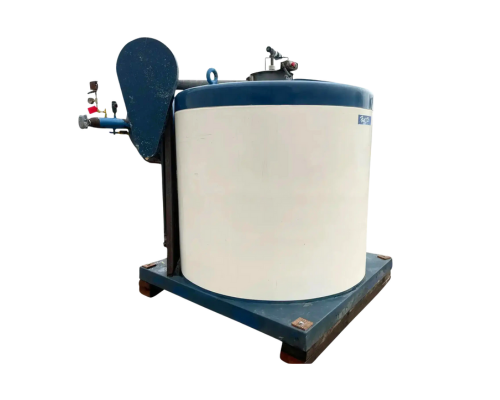
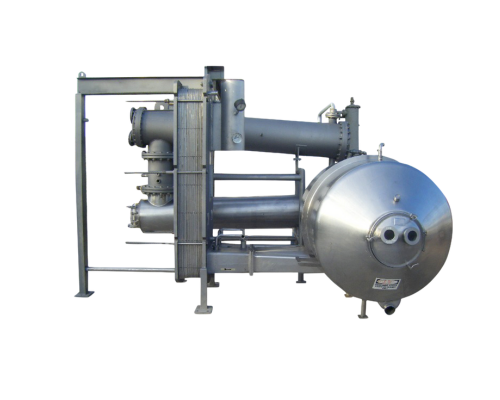
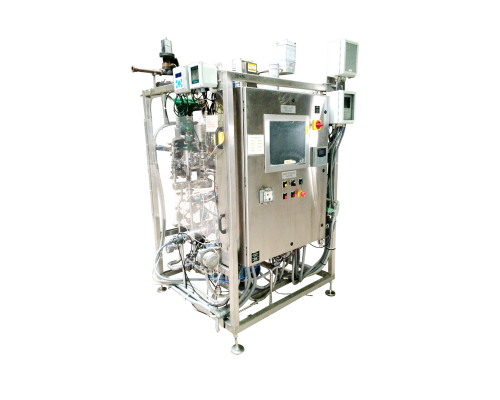
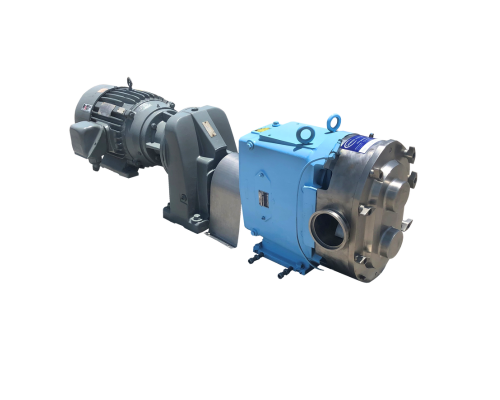

Food processing is built on precision. Every jar of salsa, every bottle of sauce, every canned soup has to be safe, shelf-stable, and consistent. Behind that reliability is a group of heating and cooling systems that do the tough work quietly in the background.
Pasteurizers, warming tunnels, and cooling tunnels are three of the most important. They help manufacturers deliver the flavor and freshness customers expect, while keeping operations efficient and compliant with food safety standards.
Image from Genemco
Link to Pasteurizers, Warming & Cooling Tunnels
Pasteurizers in the Food Processing and Packaging Industry
Pasteurizers play a vital role in preventing spoilage and ensuring food safety. In food processing, pasteurization usually happens after a product has been packaged. This means the entire container moves through controlled zones of heat and hold time to eliminate harmful microorganisms.
Tunnel pasteurizers are especially useful in food manufacturing because they work well with sealed containers such as:
-
Glass jars
-
Plastic bottles
-
Cans
-
Ready-to-eat trays
Foods that commonly move through tunnel pasteurizers include:
-
Pasta sauces, hot sauces, and salsas
-
Jams and fruit spreads
-
Broths and canned soups
-
Pickled vegetables
-
Marinades, condiments, and dressings
-
Plant-based sauces and blended products
This method protects the integrity of both the food and the packaging. It also reduces the risk of contamination after filling, which is a major advantage for high-volume production lines.
Pasteurizers must heat evenly and hold precise temperatures for predictable results. Manufacturers rely on them not only for safety but also to extend shelf life without preservatives, which consumers increasingly expect.
Warming Tunnels in Food Packaging
Warming tunnels are all about finishing the product properly. They gently raise the temperature of chilled or room-temperature products to avoid condensation during labeling or coding.
If a jar or bottle is too cold, moisture forms on the outside surface. This causes problems such as:
-
Labels failing to stick
-
Inkjet codes smudging
-
Adhesives losing grip
-
Slowed or inconsistent packaging flow
Warming tunnels create a controlled environment where products reach an ideal surface temperature before labeling, sleeving, or final packaging. The result is cleaner presentation, fewer reworks, and smoother downstream handling.
Food processors use warming tunnels for items such as:
-
Glass jars of salsa, pickles, or pasta sauce
-
Plastic bottles of dressings or condiments
-
Aluminum cans of ready-to-eat foods
-
PET bottles for specialty products
This equipment may seem simple at first glance, but it plays a major role in packaging accuracy and overall quality.
Cooling Tunnels in Food Processing
Cooling tunnels do the opposite job. After pasteurization or hot filling, products must be cooled at a controlled rate to stabilize flavor and prevent overprocessing.
Rapid or uneven cooling can cause:
-
Packaging distortion
-
Texture changes inside the product
-
Flavor loss
-
Inconsistent shelf life
Cooling tunnels fix this by using cold-water sprays or chilled air supplied by an industrial refrigeration system. Products move through the tunnel until they reach the correct storage or palletizing temperature.
Cooling tunnels are essential for:
-
Hot-filled sauces
-
Pasteurized soups and stews
-
Jarred fruits or vegetables
-
Canned entrées
-
Condiments and dressings
-
Ready-to-eat packaged foods
This step protects product quality and ensures that food is safe to store, ship, or stack on pallets without damaging the container.
Why These Systems Matter in a Modern Food Plant
Pasteurizers, warming tunnels, and cooling tunnels work together as a single chain of temperature control. Food processors depend on them for:
-
Safety
-
Shelf stability
-
Packaging accuracy
-
Flavor and texture protection
-
Compliance with industry regulations
When these systems are sized correctly and properly maintained, the entire production line becomes more predictable, more efficient, and more profitable.
Image from Genemco
Link to Pasteurizers, Warming & Cooling Tunnels
Why Food Manufacturers Choose Genemco
Genemco has been supporting food processors and packagers for decades with high-quality used pasteurizers, warming tunnels, cooling tunnels, industrial refrigeration systems and food processing equipment. Our customers value a few things about us.
-
Cost-effective equipment without cutting corners.
You get reliable, name-brand systems for a fraction of the cost of buying new. -
Expert inspection and refurbishment.
Every unit can be tested, evaluated, and prepared to run efficiently in real-world production. -
A massive ready-to-ship inventory.
When your operation needs equipment now, you do not have time to wait six to twelve months on new equipment lead times. -
Industry knowledge you can trust.
We know how these systems work across food categories. Our team helps match equipment to your exact process. -
Support throughout the buying process.
You get straightforward guidance so you choose equipment that fits your line layout, utilities, and production goals.
Food processing depends on dependable thermal systems, and Genemco is here to help you upgrade, scale, or modernize your operation with confidence.
Final Takeaway
Pasteurizers protect your products. Cooling tunnels lock in stability and freshness. Warming tunnels make sure packaging looks clean and professional. Together, they keep food processing plants efficient, safe, and consistent.
If you are ready to improve your processing line or add new capabilities, Genemco is your go-to partner for dependable used equipment that works as hard as you do.


