

In chemical and petrochemical manufacturing, there is very little margin for error.
Temperatures must stay within range. Pressures must remain stable. Reaction times must be precise. Whether producing polymers, solvents, specialty chemicals, or petrochemical derivatives, consistency isn’t just a performance metric — it’s the difference between controlled production and costly disruption.
Behind many of these tightly controlled processes is a piece of equipment that rarely gets attention until something goes wrong: the industrial watertube boiler.
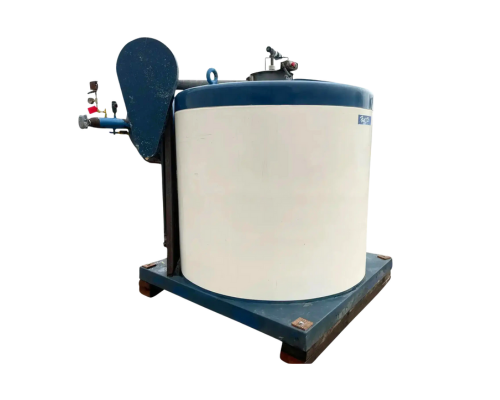
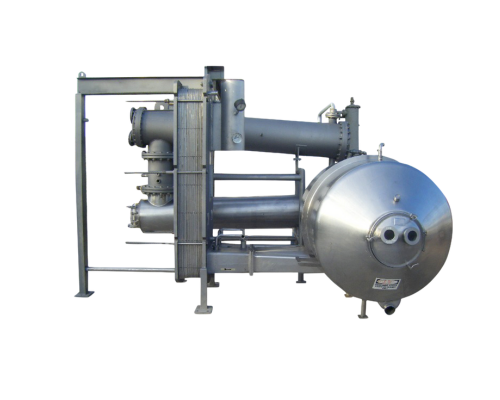
Image from Genemco
Link to Watertube Boilers
Steam as a Process Driver — Not Just a Utility
In chemical facilities, steam is more than general plant heat. It directly drives production.
Watertube boilers are commonly used to supply high-pressure steam for:
-
Reactor vessel heating
-
Distillation columns
-
Fractionation towers
-
Heat exchangers
-
Stripping and separation processes
-
Tank heating and viscosity control
In petrochemical plants, steam also supports:
-
Steam tracing on long pipeline runs
-
Maintaining flow characteristics of heavy hydrocarbons
-
Purging and cleaning systems
-
Power generation and cogeneration operations
When steam pressure fluctuates, process stability can shift. And in chemical manufacturing, even slight deviations can result in off-spec product, lost batches, or extended downtime.
Why Watertube Boilers Are Often the Preferred Choice
Chemical and petrochemical plants frequently require:
-
High-pressure steam
-
Rapid response to load changes
-
Continuous operation
-
Durability in demanding industrial environments
Watertube boilers are engineered for exactly that. Because water circulates through tubes heated externally by combustion gases, they are capable of operating at significantly higher pressures than many firetube alternatives. That makes them well-suited for heavy-duty industrial processing where both scale and reliability matter.
For facilities running 24/7, boiler performance directly impacts production efficiency, safety, and energy management.
The Cost of Interruption in Chemical Operations
In food processing, downtime can mean spoiled product.
In cold storage, it can mean temperature risk.
In chemical and petrochemical plants, it often means something different — process imbalance.
A steam disruption can cause:
-
Reactor temperature instability
-
Delayed distillation cycles
-
Increased flare events
-
Safety system stress
-
Extended restart timelines
Unlike some industries, restarting a chemical system isn’t always immediate. Stabilizing temperatures and pressures again can take time and careful sequencing.
That’s why boiler reliability is treated as a core operational priority.
When Equipment Timelines Don’t Align with Operational Reality
Here’s a challenge plant managers and engineers know well:
Major boiler replacements are capital projects.
Capital projects take time.
Engineering reviews, compliance checks, manufacturing lead times, logistics coordination — all necessary, all time-consuming.
But when a boiler fails unexpectedly or capacity is suddenly constrained, the plant cannot simply “wait it out.”
That’s where Genemco becomes part of the solution.
How Genemco Supports Chemical & Petrochemical Facilities
Genemco specializes in quality used and surplus industrial equipment, including boilers and supporting systems that are often available faster than newly manufactured units.
For chemical manufacturers, this can provide:
-
A temporary capacity bridge during replacement projects
-
Reduced risk of prolonged downtime
-
Flexible budget alternatives
-
Operational stability while long-term equipment is being fabricated
We understand that in high-pressure manufacturing environments, stability is everything. Even a short-term solution can protect months of production planning.
For OEMs: A Strategic Support Role, Not Competition
If you’re an OEM in the middle of a boiler sale into a chemical or petrochemical facility, our message is simple:
We are not trying to replace your system or disrupt your relationship.
Instead, think of Genemco as a contingency strategy.
If your customer is facing extended fabrication lead times or installation delays, we can help provide a short-term operational solution that keeps their process stable until your new equipment arrives.
It’s less about stepping in — and more about reinforcing the structure around your project.
Rather than your customer operating under pressure and uncertainty, you’re able to present a practical interim plan.
You retain the long-term solution.
You maintain the technical leadership.
You strengthen trust by helping them avoid disruption.
We simply help ensure the facility keeps running while your permanent system is being completed.
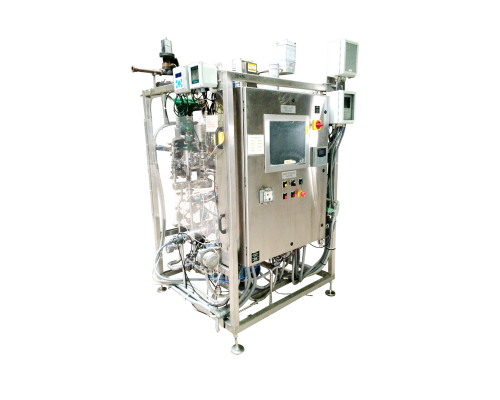
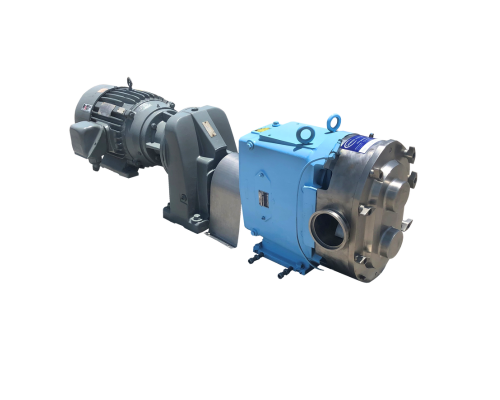
Image from Genemco
Link to Watertube Boilers
Practical Solutions for High-Stakes Environments
Chemical and petrochemical plants operate in some of the most demanding industrial conditions in the world. Steam systems are integral to maintaining control, efficiency, and safety.
When something unexpected happens — or when project timelines stretch longer than anticipated — having equipment options available can prevent a manageable issue from escalating into a major operational setback.
At Genemco, we work with facilities and OEM partners who understand that flexibility can be just as important as long-term infrastructure planning.
Final Thoughts
Industrial watertube boilers are central to chemical and petrochemical manufacturing because they provide the high-pressure, responsive steam required for precision processing.
When stability matters — and it always does in these industries — having access to reliable equipment solutions can protect both production and relationships.
Genemco exists to help bridge the gap between immediate operational needs and long-term system upgrades, supporting facilities and OEM partners alike with practical, timely solutions.


