

When you think about frozen food processing, the freezer is probably the first piece of equipment that comes to mind.
But before those vegetables ever make it into a freezing tunnel, there is often another important step happening upstream: blanching.
For many frozen vegetables, blanching is an essential part of preparing the product for freezing. It helps manage enzyme activity that would otherwise continue affecting the product during frozen storage, helping processors maintain the color, flavor, and texture consumers expect.
So while the blancher may not get quite as much attention as the IQF freezer or refrigeration system, it plays an important role in determining what ultimately comes out of the other end of the line.
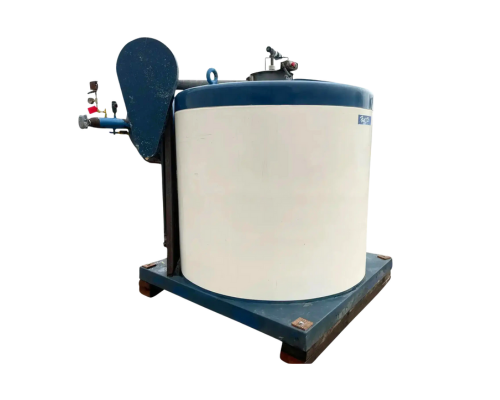
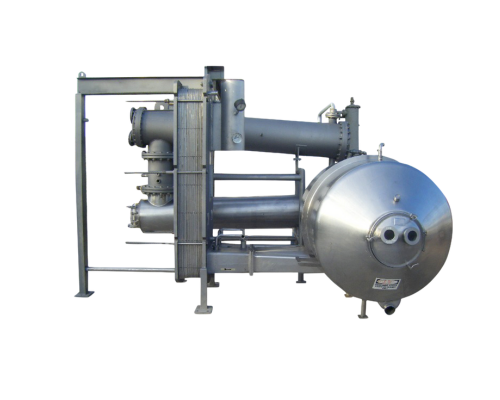
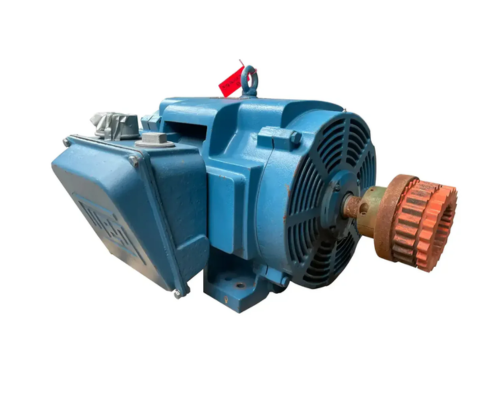
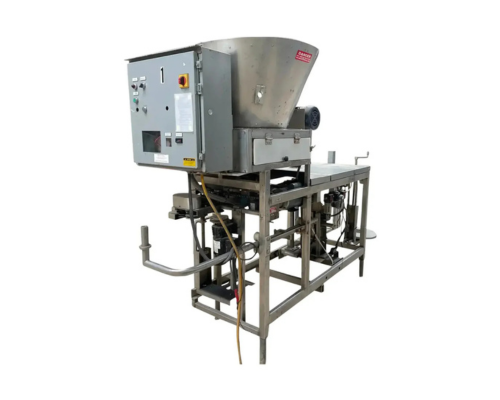
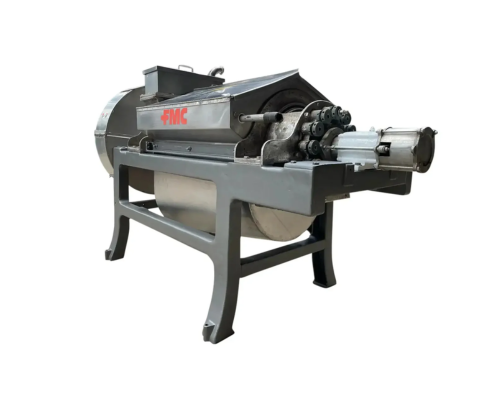
Image from Genemco
Link to Blanchers & Heat Tunnels
From Fresh Produce to Frozen Product
A frozen vegetable may look pretty simple sitting in a bag at the grocery store.
Getting it there is anything but.
Depending on the product, a typical frozen vegetable processing line can involve washing, sorting, trimming, cutting, blanching, cooling, freezing, dewatering, packaging, and cold storage.
The blancher sits right in the middle of that journey.
A simplified process might look something like:
Harvest → Wash → Sort → Cut → Blanch → Cool → Freeze → Package → Cold Storage
Every processing facility is different, but the basic idea is that the product needs to be prepared before it enters the freezing process.
And that's where blanching comes in.
What Does a Blancher Do?
An industrial blancher exposes fruits or vegetables to controlled heat—typically hot water, steam, or a combination of thermal methods—for a specific amount of time.
The objective isn't simply to cook the product.
In fact, over-processing can be just as problematic as under-processing.
Blanching needs to provide enough heat and residence time to accomplish the intended treatment without unnecessarily damaging the product. The required conditions can vary significantly depending on the type and size of the vegetable.
That's why an industrial blancher is much more than a big tank of hot water.
It is a controlled processing system designed to provide consistent treatment at production scale.
Why Blanching Is So Important Before Freezing
Here's the part that matters most to frozen food processors.
Freezing doesn't completely stop enzyme activity.
It slows it down.
Natural enzymes in vegetables can continue contributing to changes in color, flavor, and texture even after the product is frozen. Blanching provides a short heat treatment that helps deactivate those enzymes before the product goes into frozen storage.
That makes blanching a quality-control step as much as a processing step.
If the blanching process isn't right, the freezer can't necessarily fix the problem later.
Color
Nobody wants to open a bag of frozen broccoli and find something that looks more gray than green.
Proper blanching helps maintain the characteristic color of vegetables by controlling enzyme activity before freezing. USDA standards for frozen vegetables place importance on characteristics such as color, flavor, and overall quality.
Flavor
Enzyme activity can contribute to undesirable flavor changes during storage.
By treating the product before freezing, processors can help protect the flavor characteristics they worked to preserve all the way from harvest to the processing line.
Texture
Texture is another balancing act.
The product needs enough thermal treatment to accomplish the intended blanching process, but too much heat can negatively affect texture and other quality characteristics.
As anyone who's accidentally overcooked a vegetable knows, there is definitely such a thing as too much of a good thing.
At industrial scale, that balance becomes even more important because you're trying to achieve the same result across thousands of pounds of product.
Blanching and IQF Freezing: Working Together
For frozen vegetable processors, the blancher and freezer aren't really independent pieces of equipment.
They're part of the same conversation.
After blanching, the product is typically cooled before freezing. That cooling step is important because you don't want unnecessarily hot product entering the freezing system and adding an avoidable thermal load to the process.
From there, the product may enter an IQF—or Individual Quick Freezing—system designed to rapidly freeze individual pieces rather than producing one giant frozen block.
The goal is a coordinated process:
Heat. Cool. Freeze.
Each step has a job.
And when the equipment is properly matched, the entire line works together much more effectively.
Industrial processing systems can use different blancher configurations, including belt and drum systems, depending on the product and application.
What Frozen Foods Use Blanchers?
Blanching is especially common with frozen vegetables.
Applications can include products such as:
- Green beans
- Peas
- Corn
- Carrots
- Broccoli
- Cauliflower
- Spinach and other leafy vegetables
- Mixed vegetables
- Potatoes
- Other specialty vegetables
Potato processing is a good example of how the blanching process can become part of a much larger production system. Frozen potato products may go through multiple preparation and thermal-processing stages before ultimately reaching the freezer and packaging line.
And frozen mixed vegetables are another familiar example. USDA standards specifically describe frozen mixed vegetables as vegetables that are properly prepared, properly blanched, frozen, and maintained at appropriate temperatures for preservation.
Getting the Blanching Process Right
One of the challenges with blanching is that there isn't a universal "one setting fits everything" approach.
A processor has to consider the product itself.
What vegetable is being processed?
How large are the pieces?
How much product is moving through the line?
How long does the product need to be treated?
What heating method is being used?
How will the product be cooled afterward?
How does the blancher interface with the freezing system?
All of those factors can matter.
Under-blanching can leave enzymes active, while over-blanching can negatively affect quality.
That's why equipment selection should start with the process, not just the machine.
What Should You Look for in a Used Blancher?
When you're searching for a used blancher, it's easy to get focused on the basics:
"How many pounds per hour?"
That's an important question—but it's only the beginning.
You also need to consider the equipment's heating method, conveyor configuration, belt width, residence time, controls, utilities, construction, footprint, and how it will integrate with the rest of the line.
A blancher that worked perfectly for one processor isn't automatically the right machine for another.
That's where experience with food processing equipment can make the search a lot more productive.
Why Consider Genemco for Used Blanching Equipment?
This is where Genemco brings something different to the table.
We've been working with used industrial refrigeration and food processing equipment since 1989. That means we're familiar with the reality of industrial operations—not just what equipment looks like in a catalog.
Genemco offers quality-used food processing equipment, including blanchers and related thermal-processing equipment, with inventory that changes regularly.
And there's a pretty obvious advantage to equipment that's already built:
You can potentially put it to work without waiting for a new machine to be manufactured.
For a processor facing a production deadline, an equipment failure, an expansion, or an unexpected capacity requirement, that can be a pretty big deal.
Used equipment can provide another option when waiting months for a new machine simply isn't practical.
It may be a temporary solution.
It may become part of a permanent production line.
It may provide additional capacity while another machine is being repaired or replaced.
The right answer depends on the application—and that's why we encourage customers to talk through what they're actually trying to accomplish rather than simply asking, "What blanchers do you have?"
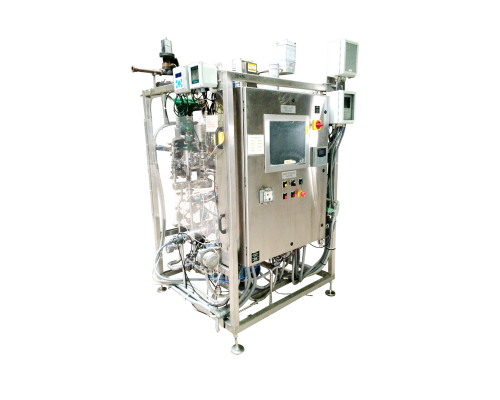
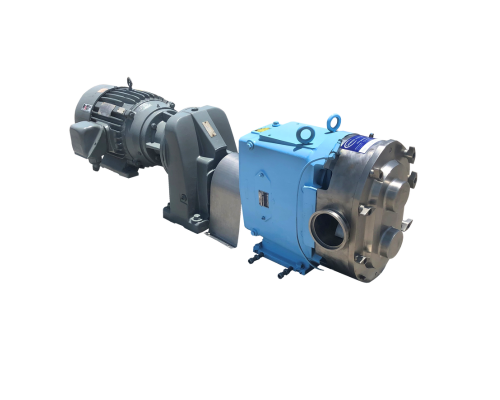
Image from Genemco
Link to Blanchers & Heat Tunnels
OEMs: We've Got Your Back
There's another side of the used-equipment conversation that's important to us.
If you're an OEM, we aren't here to step on your toes.
If you've worked with a customer, engineered their solution, and sold them a new blancher or processing system, we don't want to take that sale away from you.
Quite the opposite.
We want to help you look good.
Let's say you've sold the customer the right new machine, but the lead time is longer than they'd like. Maybe it's four months. Maybe it's six. Maybe the existing equipment is already on borrowed time.
That's a tough spot.
The customer needs the new equipment—but they also need to make product between now and the installation date.
That's where Genemco can come in.
Think of us as the "keep them going until the new one gets here" option.
You don't have to change the long-term plan. You don't have to give up the sale. And your customer doesn't necessarily have to sit around waiting for production problems to get worse.
If a quality-used blancher can keep their line running in the meantime, we're happy to help find one.
Maybe it's a bandaid.
Maybe the situation is serious enough that it's more of a tourniquet.
Either way, the goal isn't to replace what you sold.
The goal is to help your customer get to the finish line.
You sold the solution. You know their operation. You remain the trusted OEM.
We're simply another resource you can bring into the conversation when the calendar becomes the biggest problem.
And honestly, if you can tell your customer, "I've got an option that can help keep you running until your new equipment arrives," that's a pretty good look.
We'd rather help make you the hero.
Keeping Frozen Food Production Moving
In food processing, timing matters.
Produce has a season. Orders have deadlines. Freezers have capacity limits. Maintenance windows are never as convenient as we'd like them to be.
And equipment lead times don't always cooperate.
A blancher is a critical part of many frozen vegetable processing lines, helping prepare product for the freezing process and protecting the quality processors worked so hard to achieve from field to finished product.
When that equipment needs to be replaced, added, or temporarily supplemented, used equipment can provide another path forward.
That's where Genemco comes in.
Quality-used. In stock. Ready to ship.
Whether you're a processor trying to keep production moving or an OEM looking for a way to support a customer while their new equipment is being built, we're here to help you find a practical solution.
Because sometimes the best equipment decision isn't about what's going to be running five years from now.
It's about making sure the line is still running today.


