

Prepared food production is all about getting a lot of things right at the same time.
The recipe has to be right. The ingredients have to be right. The timing has to be right. And, perhaps most importantly for an industrial food processor, the process has to be repeatable from one run to the next.
That is where industrial heat tunnels can play an important role.
Heat tunnels provide a controlled environment for heating, cooking, drying, warming, curing, pasteurizing, or otherwise thermally treating food products as they move continuously through a production line. Instead of treating products one batch at a time, a tunnel allows manufacturers to move product through a defined thermal process at a controlled rate.
For prepared food manufacturers producing thousands of meals, trays, packages, or components every day, that consistency can make a big difference.
What Is an Industrial Heat Tunnel?
An industrial heat tunnel is essentially a controlled thermal-processing zone built around a conveyor system.
Product enters the tunnel, travels through one or more temperature-controlled zones, and exits having received the desired amount of heat treatment. Depending on the application, the tunnel may use steam, hot air, direct or indirect heat, or another method of transferring heat to the product.
The exact process depends on the food, packaging, production rate, and desired result.
That flexibility is one reason heat tunnels can show up in so many different areas of prepared food manufacturing.
Genemco's inventory, for example, includes various types of heating, cooling, pasteurizing, and process tunnels designed for different food-processing applications.
Where Are Heat Tunnels Used in Prepared Foods?
Prepared foods cover a pretty broad category. Think about the foods that are designed to make life a little easier for the person eating them: ready-to-eat meals, frozen entrées, prepared side dishes, sauces, pasta dishes, casseroles, meal components, and more.
The manufacturing processes behind those products can be surprisingly complex.
Heat tunnels may be used for applications such as:
- Cooking or heating prepared foods
- Pasteurizing packaged products
- Warming products before the next stage of processing
- Drying or setting certain products
- Heating sauces, fillings, or other prepared components
- Supporting continuous thermal processing
- Helping prepare products for packaging or downstream processing
For some products, the tunnel is part of the main cooking process. For others, it may be one step in a longer sequence of heating, cooling, packaging, and refrigeration.
The important part is that the equipment provides a controlled and repeatable environment rather than relying on inconsistent heating conditions.
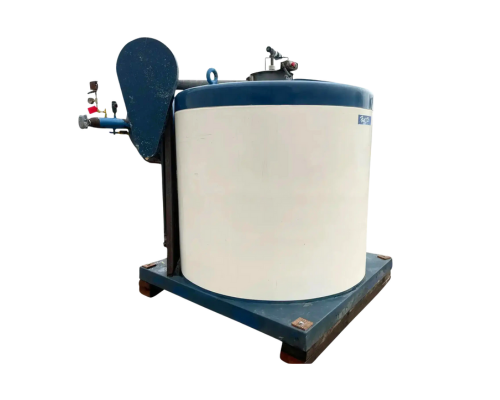
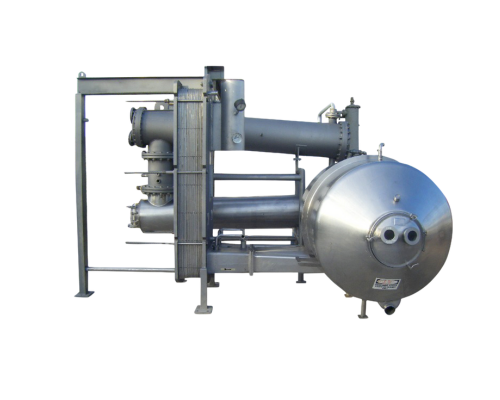
Image from Genemco
Link to Blanchers & Heat Tunnels
Consistency Matters More Than It Sounds
If you're producing dinner for your family, a few degrees of difference probably isn't going to ruin the night.
When you're producing thousands of prepared meals, it's a different story.
Industrial food processing depends on carefully controlled time and temperature conditions. Thermal processing can be a critical control point in a food-safety plan, and factors such as processing temperature, time, product characteristics, and equipment conditions can all affect the result.
A properly selected heat tunnel can help manufacturers maintain more consistent processing conditions across a continuous production line.
That can mean more predictable cooking, heating, drying, or pasteurization—and fewer surprises when product comes out the other end.
Heat Tunnels and Prepared Meal Production
Prepared meals are a great example of where thermal processing equipment becomes part of a much larger system.
A prepared-food line might include ingredient preparation, cooking, mixing, filling, thermal treatment, cooling, packaging, refrigeration, and storage. The heat tunnel may only represent one portion of that process, but it still needs to work in step with everything around it.
A tunnel that is too small can become a bottleneck.
One that isn't suited to the product can create inconsistent results.
And one that doesn't integrate properly with the existing line can turn a seemingly simple equipment addition into a much bigger project.
That's why selecting a used heat tunnel isn't simply a matter of finding one with the right price tag.
What Should You Consider When Buying a Used Heat Tunnel?
When evaluating a used heat tunnel for a prepared-food application, manufacturers should look at the entire process—not just the equipment itself.
Consider:
- Product type and characteristics
- Desired processing temperature
- Required residence time
- Conveyor width and speed
- Production rate
- Heating method
- Number of temperature zones
- Available utilities
- Controls and instrumentation
- Existing line configuration
- Footprint and installation requirements
- How the tunnel will connect to upstream and downstream equipment
In other words, the question isn't just, "Do you have a heat tunnel?"
It's "Do you have a heat tunnel that makes sense for what we're trying to accomplish?"
That distinction can save a lot of headaches later.
Why Choose Used Heat-Tunnel Equipment from Genemco?
New equipment can be the right answer for many projects. But it isn't always the only answer.
Sometimes a food processor needs additional capacity. Sometimes an existing tunnel needs to be replaced. Sometimes production has grown faster than expected. And sometimes the situation is much simpler: the plant needs equipment, and it needs it sooner than a new machine can be delivered.
That's where used equipment can make sense.
Genemco has been serving the industrial refrigeration and food processing industries since 1989, giving our team decades of experience working with equipment used in real-world production environments.
One of the biggest advantages of buying used is availability. A used heat tunnel has already been manufactured and is sitting in inventory rather than waiting to move through a new-equipment manufacturing schedule.
Genemco's inventory changes regularly, but the goal is always the same: provide quality used equipment that is available when customers need it.
And because the equipment is part of a larger production system, our team can help customers think beyond the individual machine and consider how it fits into the application.
OEMs: We Want to Help You Keep the Customer Moving
Here's something we want OEMs to know:
We're not trying to take your sale.
If you've just sold your customer a new heat tunnel, cooking system, or other piece of processing equipment, we're not interested in stepping between you and that relationship.
Quite the opposite.
We want to help you protect it.
Because sometimes the hardest part of selling new equipment isn't getting the customer to say yes. It's telling them how long they'll have to wait after they say yes.
If the new equipment has a long lead time and your customer's production can't wait that long, Genemco may be able to help provide a used piece of equipment to keep things moving while the permanent solution is being built.
Think of it as a little breathing room.
The used equipment doesn't have to compete with the new equipment. It can simply help bridge the gap between "We need it now" and "Your new equipment is ready."
And that's a win for everyone.
Your customer gets a way to keep producing. You get to remain their trusted OEM partner. And when the new equipment arrives, you've still delivered the long-term solution you originally sold them.
We'd rather be the company standing beside you helping solve the immediate problem than the company trying to replace you.
Sometimes the best support we can provide an OEM is simply helping their customer get through the wait.
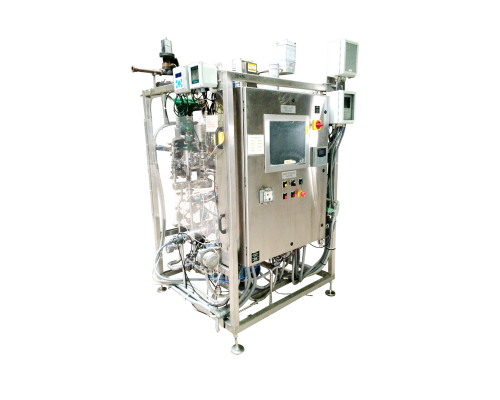
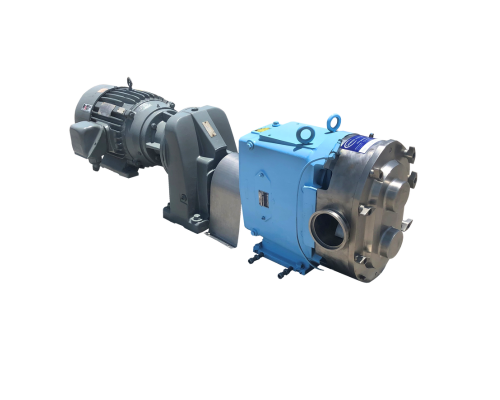
Image from Genemco
Link to Blanchers & Heat Tunnels
Keeping Prepared Food Production Moving
Prepared food manufacturing doesn't leave much room for unnecessary downtime.
When production is running, everything is connected. A problem with one piece of equipment can quickly become a problem for the entire line.
Industrial heat tunnels can help provide the controlled thermal processing needed for a wide range of prepared-food applications. And when the right equipment is needed without the timeline—or price tag—of buying new, quality used equipment can be a practical option.
At Genemco, we're here to help food processors find equipment that fits the application, the production goals, and the reality of the timeline.
Because sometimes the goal isn't to build the perfect system five years from now.
Sometimes the goal is simply to keep making food today.


